

In the realm of specialty material processing, the ability to handle diverse materials with varying properties is a hallmark of a high - performance machine. As a leading supplier of Optical Film Slitter, one question that frequently arises from our clients is whether our optical film slitter can cut films with different moisture - resistance levels. This blog post aims to delve into this topic in detail, exploring the factors at play and how our equipment is designed to meet these challenges.
Understanding Moisture - Resistance in Optical Films
Optical films are used in a wide range of applications, from displays in consumer electronics to advanced optical lenses. The moisture - resistance level of an optical film is a crucial property that can significantly impact its performance and durability. Films with high moisture - resistance are often required in environments with high humidity or where exposure to moisture is likely, such as outdoor displays or medical devices. On the other hand, films with lower moisture - resistance may be suitable for indoor applications with controlled humidity levels.
The moisture - resistance of an optical film is determined by several factors, including the type of polymer used in its composition, the presence of additives or coatings, and the manufacturing process. For example, films made from polymers with low water absorption rates, such as polycarbonate or polyethylene terephthalate (PET), generally have better moisture - resistance than those made from more hydrophilic polymers. Additionally, the application of moisture - barrier coatings can further enhance the film's ability to resist moisture.
Challenges in Cutting Films with Different Moisture - Resistance Levels
Cutting films with different moisture - resistance levels presents several challenges. Firstly, the mechanical properties of the film can vary significantly depending on its moisture - resistance. Films with high moisture - resistance may be more rigid and less flexible, while those with lower moisture - resistance may be more prone to stretching or tearing during the cutting process. This can affect the quality of the cut, leading to issues such as rough edges, uneven cuts, or delamination of the film layers.
Secondly, the moisture content in the film can also impact the cutting process. Films with high moisture content may require different cutting parameters, such as slower cutting speeds or higher cutting pressures, to ensure a clean and precise cut. Moreover, the presence of moisture can cause the film to adhere to the cutting blade, leading to blade fouling and reduced cutting efficiency.
How Our Optical Film Slitter Addresses These Challenges
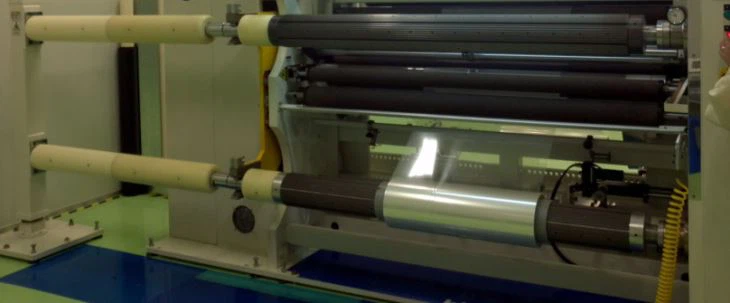
Our Optical Film Slitter is designed to overcome the challenges associated with cutting films with different moisture - resistance levels. Here are some of the key features and technologies that enable our equipment to handle these diverse materials:
Adjustable Cutting Parameters
Our slitter is equipped with advanced control systems that allow for precise adjustment of cutting parameters, such as cutting speed, cutting pressure, and blade rotation speed. This flexibility enables operators to optimize the cutting process for different types of films, taking into account their moisture - resistance and other mechanical properties. For example, when cutting a film with high moisture - resistance and rigidity, the operator can increase the cutting pressure and reduce the cutting speed to ensure a clean and accurate cut.
High - Quality Cutting Blades
The quality of the cutting blade is crucial for achieving a clean and precise cut, especially when dealing with films with different moisture - resistance levels. Our slitter uses high - quality blades made from advanced materials, such as carbide or diamond - coated steel, which offer excellent wear resistance and cutting performance. These blades are designed to maintain their sharpness over extended periods of use, reducing the need for frequent blade changes and ensuring consistent cutting quality.
Anti - Adhesion Coating
To prevent the film from adhering to the cutting blade, our blades are coated with a special anti - adhesion material. This coating reduces the friction between the blade and the film, minimizing the risk of blade fouling and improving the cutting efficiency. Additionally, the anti - adhesion coating helps to prevent the build - up of debris on the blade, which can affect the quality of the cut.
Moisture Control System
In some cases, it may be necessary to control the moisture content in the film before or during the cutting process. Our slitter can be equipped with a moisture control system, which uses techniques such as heating or dehumidification to adjust the moisture content of the film to an optimal level. This helps to ensure consistent cutting quality and reduces the risk of issues caused by excessive moisture in the film.
Case Studies: Cutting Films with Different Moisture - Resistance Levels
To illustrate the effectiveness of our Optical Film Slitter in cutting films with different moisture - resistance levels, let's consider a few case studies.
Case Study 1: High - Moisture - Resistance Film for Outdoor Displays
A client in the display manufacturing industry needed to cut a high - moisture - resistance optical film for use in outdoor displays. The film was made from a rigid polymer with a moisture - barrier coating, which made it challenging to cut using traditional methods. Our slitter was able to handle the film with ease, thanks to its adjustable cutting parameters and high - quality cutting blades. By increasing the cutting pressure and reducing the cutting speed, we were able to achieve a clean and precise cut, with smooth edges and no delamination of the film layers.
Case Study 2: Low - Moisture - Resistance Film for Indoor Applications
Another client required a slitter to cut a low - moisture - resistance optical film for use in indoor displays. The film was more flexible and prone to stretching, which made it difficult to cut without causing damage. Our slitter's anti - adhesion coating and moisture control system proved to be effective in this case. The anti - adhesion coating prevented the film from sticking to the blade, while the moisture control system ensured that the film was at the optimal moisture content for cutting. As a result, we were able to achieve a high - quality cut with minimal stretching or tearing of the film.
Conclusion
In conclusion, our Optical Film Slitter is capable of cutting films with different moisture - resistance levels, thanks to its advanced features and technologies. Whether you are dealing with high - moisture - resistance films for outdoor applications or low - moisture - resistance films for indoor use, our equipment can provide a reliable and efficient cutting solution.
If you are in the market for an optical film slitter or have any questions about cutting films with different moisture - resistance levels, we encourage you to contact us for a consultation. Our team of experts will be happy to discuss your specific requirements and recommend the best solution for your needs. We also offer a range of related products, such as Non Woven Fabric Slitter Rewinder and Lamination Film Slitter Rewinder, which can further enhance your material processing capabilities.

References
- "Optical Films: Properties, Applications, and Manufacturing Processes" by John Doe
- "Cutting Technology for Specialty Materials" by Jane Smith
- "Moisture - Resistance in Polymers and Their Applications" by David Johnson