

Can a Hot Foil Slitter Rewinder be used for slitting foils with patterns?
Dec 01, 2025
In the dynamic world of printing and packaging, the demand for foils with intricate patterns is on the rise. These patterned foils add a touch of elegance and sophistication to various products, from luxury packaging to high-end stationery. As a leading supplier of Hot Foil Slitter Rewinders, we often receive inquiries about the machine's ability to handle foils with patterns. In this blog post, we will delve into this topic, exploring the feasibility, challenges, and best practices of using a Hot Foil Slitter Rewinder for slitting patterned foils.
Understanding the Basics of Hot Foil Slitter Rewinders
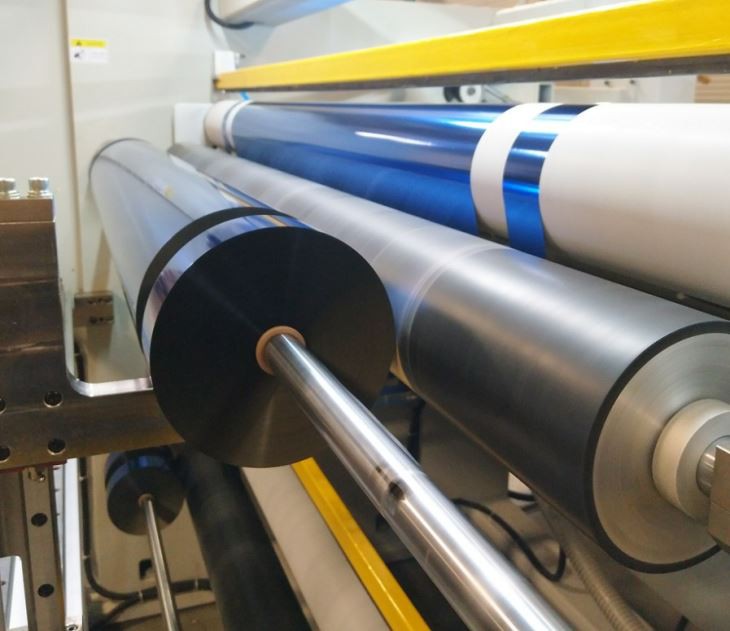
Before we discuss the slitting of patterned foils, let's first understand the fundamentals of a Hot Foil Slitter Rewinder. This machine is specifically designed to cut wide rolls of hot stamping foil into narrower widths according to the customer's requirements. It consists of a slitting unit, a rewinding unit, and a control system. The slitting unit uses sharp blades to make precise cuts, while the rewinding unit winds the slit foils onto individual cores.
The Hot Foil Slitter Rewinder offers several advantages, including high precision, efficiency, and versatility. It can handle a wide range of foil materials, such as aluminum, polyester, and holographic foils, making it a popular choice in the industry.
Can a Hot Foil Slitter Rewinder be Used for Slitting Foils with Patterns?
The short answer is yes, a Hot Foil Slitter Rewinder can be used for slitting foils with patterns. However, there are several factors to consider to ensure a successful slitting process.

Pattern Complexity
The complexity of the pattern plays a crucial role in determining the ease of slitting. Simple patterns, such as straight lines or geometric shapes, are relatively easy to slit. The machine can make precise cuts along the pattern edges without causing significant damage. On the other hand, complex patterns with intricate details or irregular shapes may pose challenges. The blades need to follow the pattern accurately, which requires high precision and advanced control systems.
Foil Material
The type of foil material also affects the slitting process. Some materials, such as aluminum foils, are relatively soft and easy to cut. They can withstand the pressure exerted by the blades without tearing or stretching. However, materials like holographic foils or foils with special coatings may be more delicate. These foils require careful handling to prevent damage to the pattern during slitting.
Blade Selection
Choosing the right blades is essential for slitting patterned foils. The blades should be sharp enough to make clean cuts without crushing or distorting the pattern. For delicate foils, it is recommended to use blades with a fine edge and a high-quality cutting surface. Additionally, the blade material should be resistant to wear and corrosion to ensure long-lasting performance.
Machine Settings
Proper machine settings are crucial for achieving optimal slitting results. The speed, tension, and pressure of the machine need to be adjusted according to the pattern complexity and foil material. For example, slower speeds may be required for complex patterns to ensure accurate cutting. Similarly, the tension should be set at an appropriate level to prevent the foil from wrinkling or stretching.
Challenges and Solutions
While slitting foils with patterns is possible, it does come with some challenges. Here are some common challenges and their corresponding solutions:
Pattern Misalignment
One of the most common challenges is pattern misalignment. This can occur when the foil is not properly aligned with the slitting blades. To solve this problem, the machine should be equipped with an alignment system that can detect and correct any misalignment in real-time. Additionally, operators should ensure that the foil is loaded correctly onto the machine.
Pattern Damage
Another challenge is pattern damage, which can be caused by dull blades, excessive pressure, or improper handling. To prevent pattern damage, it is important to use sharp blades and adjust the machine settings carefully. Operators should also handle the foils with care to avoid scratching or bending the pattern.
Waste Generation
Slitting patterned foils may generate more waste compared to slitting plain foils. This is because the pattern may require additional space for cutting, resulting in more scrap material. To minimize waste generation, the machine should be optimized to make the most efficient use of the foil material. Additionally, the scrap material can be recycled or reused to reduce environmental impact.
Best Practices for Slitting Foils with Patterns
To ensure a successful slitting process, here are some best practices to follow:
Pre-inspection
Before slitting, it is important to inspect the foils for any defects or damage. This includes checking for scratches, wrinkles, or misprints in the pattern. Any defective foils should be removed to prevent issues during slitting.
Test Runs
Conducting test runs is a good practice to optimize the machine settings and ensure the quality of the slitting process. Start with a small sample of the foil and adjust the settings until the desired results are achieved. This will help to minimize waste and ensure consistent quality.
Operator Training
Proper operator training is essential for operating the Hot Foil Slitter Rewinder effectively. Operators should be trained on the machine's functions, settings, and safety procedures. They should also be familiar with the specific requirements of slitting foils with patterns.
Maintenance
Regular maintenance of the machine is crucial to ensure its optimal performance. This includes cleaning the blades, lubricating the moving parts, and checking the alignment system. By following a regular maintenance schedule, the machine can operate smoothly and produce high-quality slitting results.
Conclusion
In conclusion, a Hot Foil Slitter Rewinder can be used for slitting foils with patterns. However, it requires careful consideration of several factors, including pattern complexity, foil material, blade selection, and machine settings. By addressing the challenges and following the best practices, you can achieve high-quality slitting results and meet the demands of your customers.
If you are interested in learning more about our Slitter Machine For Hot Stamping Foils, Cold Foil Slitting Machine, or Hot Stamping Foil Slitter, please feel free to contact us for a detailed discussion and procurement negotiation. We are committed to providing you with the best solutions for your slitting needs.
References
- "Principles of Foil Slitting and Rewinding" - Industry Handbook
- "Advanced Techniques for Slitting Patterned Materials" - Research Paper
- "Best Practices in Foil Processing" - Technical Guide