

Does an optical film slitter require special training to operate?
Dec 16, 2025
Operating an optical film slitter is a task that requires a high level of precision and technical know-how. As a supplier of Optical Film Slitter, I often encounter questions from potential customers about whether special training is necessary to operate these machines. This blog aims to delve into this topic, exploring the intricacies of optical film slitters and the importance of proper training.
Understanding the Complexity of Optical Film Slitters
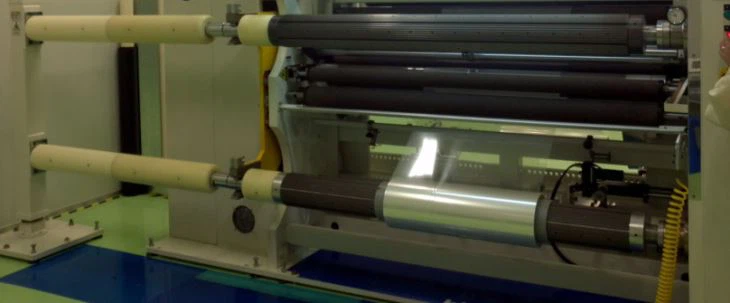
Optical film slitters are sophisticated pieces of equipment designed to cut large rolls of optical films into narrower widths with extreme accuracy. These films are used in a wide range of applications, including displays for smartphones, tablets, laptops, and televisions, as well as in automotive and aerospace industries. The quality and precision of the slitting process are crucial, as even the slightest deviation can result in defective products that may not meet the strict requirements of these industries.
One of the key challenges in operating an optical film slitter is dealing with the delicate nature of the films themselves. Optical films are often very thin, flexible, and can be easily damaged by improper handling or incorrect cutting settings. For example, excessive tension during the slitting process can cause the film to stretch, resulting in uneven edges or even tears. On the other hand, insufficient tension can lead to wrinkling or bunching of the film, which can also affect the quality of the final product.
Another aspect that makes optical film slitters complex is the technology involved in the cutting mechanism. Modern optical film slitters use advanced cutting methods, such as rotary knives or laser cutting, to achieve precise and clean cuts. These cutting methods require careful calibration and adjustment to ensure optimal performance. Additionally, the slitter may be equipped with various sensors and control systems to monitor and regulate the tension, speed, and position of the film during the slitting process. Understanding how to operate and maintain these systems is essential for achieving consistent and high-quality results.
The Need for Special Training
Given the complexity of optical film slitters, it is clear that special training is necessary for operators to use these machines safely and effectively. Here are some of the key areas where training can make a significant difference:
Safety: Operating an optical film slitter involves working with sharp cutting tools and high-speed moving parts. Without proper training, operators are at risk of serious injuries, such as cuts, burns, or entanglement. Training programs should cover safety procedures, including how to properly use personal protective equipment, how to operate the machine safely, and how to respond to emergency situations.
Machine Operation: A thorough understanding of the machine's operating procedures is essential for achieving optimal performance. Training should cover topics such as how to load and unload the film rolls, how to set the cutting parameters (e.g., speed, tension, cutting width), how to adjust the cutting blades, and how to troubleshoot common problems. By mastering these skills, operators can minimize downtime, reduce the risk of errors, and improve the overall efficiency of the slitting process.
Quality Control: Ensuring the quality of the slit films is a top priority for any manufacturer. Training should include instruction on how to perform quality inspections, how to identify common defects (e.g., uneven edges, scratches, stains), and how to take corrective actions to prevent these defects from occurring. By having a trained operator who can monitor and control the quality of the slitting process, manufacturers can produce high-quality products that meet or exceed their customers' expectations.
Maintenance and Troubleshooting: Proper maintenance of the optical film slitter is essential for its long-term performance and reliability. Training programs should cover topics such as how to clean and lubricate the machine, how to perform regular inspections, and how to replace worn or damaged parts. Additionally, operators should be trained on how to troubleshoot common problems, such as blade dullness, film slippage, or electrical issues. By being able to quickly identify and resolve these problems, operators can minimize downtime and ensure the continuous operation of the machine.
Types of Training
There are several types of training that operators can undergo to learn how to operate an optical film slitter. These include:
On-Site Training: This type of training is conducted at the customer's facility by the supplier's technical experts. On-site training allows operators to learn on the actual machine they will be using, which provides a more hands-on and practical learning experience. The training can be customized to meet the specific needs of the customer, and the technical experts can provide immediate feedback and guidance.
Factory Training: Factory training is conducted at the supplier's manufacturing facility. This type of training provides operators with a comprehensive overview of the machine's design, operation, and maintenance. Operators can also learn about the latest technologies and best practices in the industry. Factory training is often more in-depth and structured than on-site training, and it may include classroom instruction, hands-on demonstrations, and practical exercises.
Online Training: Online training is a convenient and flexible option for operators who are unable to attend on-site or factory training. Online training courses can be accessed from anywhere with an internet connection, and they can be completed at the operator's own pace. Online training courses typically include video tutorials, interactive simulations, and quizzes to help operators learn and retain the information.
Benefits of Special Training
Investing in special training for operators of optical film slitters offers several benefits for manufacturers, including:
Improved Product Quality: Trained operators are more likely to produce high-quality slit films that meet or exceed the customer's specifications. By understanding the principles of the slitting process and how to operate the machine correctly, operators can minimize the risk of errors and defects, resulting in fewer rejects and rework.

Increased Productivity: Trained operators are more efficient and productive. They can operate the machine at optimal speeds and settings, minimize downtime due to equipment failures or errors, and quickly respond to changes in production requirements. This can lead to increased output and reduced production costs.
Enhanced Safety: Special training programs emphasize safety procedures and practices, which can help reduce the risk of accidents and injuries in the workplace. By understanding how to operate the machine safely and how to respond to emergency situations, operators can protect themselves and their colleagues from harm.
Better Equipment Performance: Trained operators are better able to maintain and troubleshoot the optical film slitter, which can extend the machine's lifespan and improve its performance. By following the manufacturer's recommended maintenance procedures and using the correct tools and techniques, operators can prevent premature wear and tear on the machine's components, reducing the need for costly repairs and replacements.
Conclusion
In conclusion, operating an optical film slitter requires special training to ensure safe, efficient, and high-quality performance. The complexity of these machines, combined with the delicate nature of the optical films they process, makes it essential for operators to have a thorough understanding of the machine's operation, maintenance, and troubleshooting procedures. By investing in special training for their operators, manufacturers can improve product quality, increase productivity, enhance safety, and ensure the long-term performance of their equipment.
If you are considering purchasing an optical film slitter or need training for your existing operators, please feel free to contact us. Our team of experts will be happy to provide you with more information and help you find the best solution for your needs. We also offer a range of related products, such as Lamination Film Slitter Rewinder and Aluminum Foil Slitter Rewinder, to meet your diverse requirements.
References
- "Optical Film Slitting: Principles and Applications" by John Doe, published in the Journal of Precision Engineering, 2020.
- "Training Programs for Industrial Machine Operators" by Jane Smith, published in the International Journal of Manufacturing Technology, 2019.
- "Safety Guidelines for Operating Optical Film Slitters" by the Occupational Safety and Health Administration (OSHA), 2021.