

How to adjust the alignment of the material in a Duplex Slitter Rewinder?
Oct 21, 2025
Adjusting the alignment of materials in a Duplex Slitter Rewinder is a crucial task that directly impacts the quality and efficiency of the slitting and rewinding process. As a supplier of Duplex Slitter Rewinders, I have witnessed firsthand the challenges that operators face when it comes to achieving precise alignment. In this blog post, I will share some practical tips and techniques on how to adjust the alignment of materials in a Duplex Slitter Rewinder effectively.
Understanding the Basics of Material Alignment
Before diving into the adjustment process, it's essential to understand the basic principles of material alignment in a Duplex Slitter Rewinder. The primary goal is to ensure that the material is fed into the machine in a straight and centered manner, so that the slitting and rewinding operations can be carried out accurately. Misaligned materials can lead to a variety of issues, such as uneven slitting, wrinkling, and poor rewinding quality.
There are several factors that can affect material alignment, including the tension of the material, the condition of the guide rollers, and the alignment of the slitting blades. By addressing these factors, you can significantly improve the alignment of the material and enhance the overall performance of the machine.
Checking and Adjusting the Tension of the Material
One of the most critical factors in material alignment is the tension of the material. If the tension is too high or too low, the material may not feed into the machine smoothly, resulting in misalignment. Therefore, it's essential to check and adjust the tension of the material regularly.
To check the tension of the material, you can use a tension meter. This device measures the tension of the material as it passes through the machine. If the tension is too high, you can reduce it by adjusting the tension control system on the machine. Conversely, if the tension is too low, you can increase it by tightening the tension control system.
It's important to note that the optimal tension of the material may vary depending on the type and thickness of the material. Therefore, it's recommended to consult the machine's manual or seek advice from the manufacturer to determine the appropriate tension settings for your specific application.
Inspecting and Maintaining the Guide Rollers
The guide rollers play a crucial role in guiding the material through the machine and ensuring its alignment. Over time, the guide rollers may become worn or dirty, which can affect their performance and cause misalignment. Therefore, it's essential to inspect and maintain the guide rollers regularly.
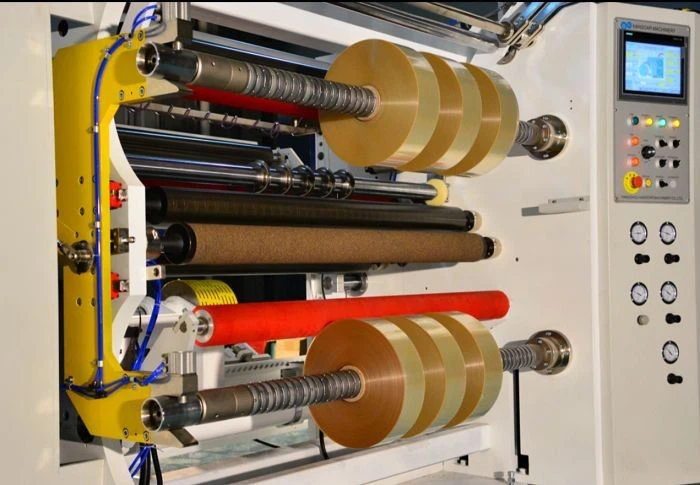
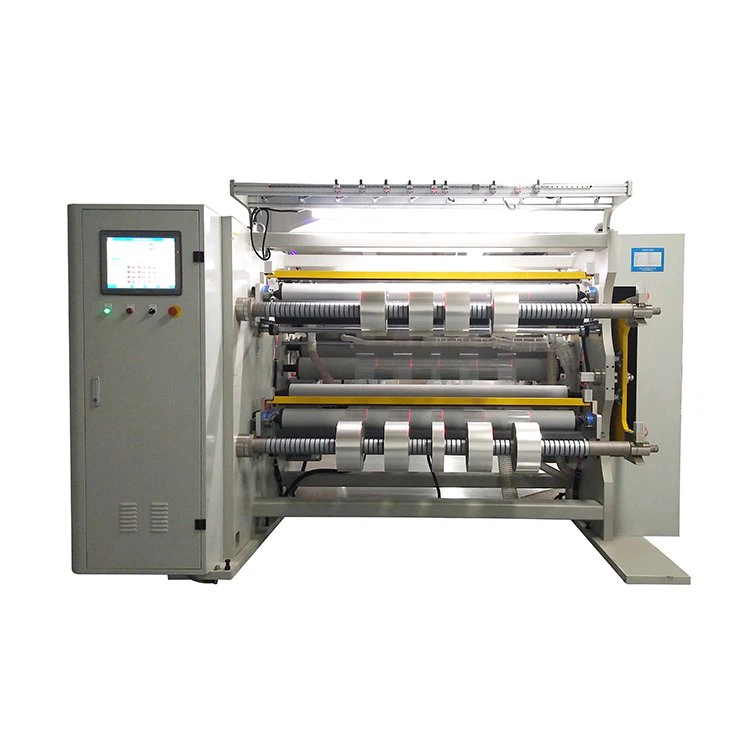
To inspect the guide rollers, you can visually check them for any signs of wear or damage. You can also use a feeler gauge to measure the clearance between the guide rollers and the material. If the clearance is too large or too small, you may need to adjust the position of the guide rollers.
In addition to inspecting the guide rollers, it's also important to keep them clean. You can use a clean cloth or a brush to remove any dirt or debris from the surface of the guide rollers. This will help to ensure that the guide rollers can function properly and guide the material smoothly through the machine.
Aligning the Slitting Blades
The alignment of the slitting blades is another critical factor in material alignment. If the slitting blades are not aligned correctly, the material may not be slit evenly, resulting in misalignment. Therefore, it's essential to align the slitting blades regularly.
To align the slitting blades, you can use a blade alignment tool. This tool helps you to ensure that the slitting blades are parallel to each other and perpendicular to the material. You can also use a laser alignment system to check the alignment of the slitting blades more accurately.
It's important to note that the alignment of the slitting blades may need to be adjusted periodically, especially if the machine is used frequently or if the material being slit changes. Therefore, it's recommended to have a regular maintenance schedule to ensure that the slitting blades are always aligned correctly.
Using Alignment Sensors and Automation
In addition to the manual adjustment methods mentioned above, many modern Duplex Slitter Rewinders are equipped with alignment sensors and automation systems. These systems can help to improve the accuracy and efficiency of the alignment process by automatically detecting and correcting any misalignment of the material.
Alignment sensors can detect the position of the material as it passes through the machine and send signals to the control system. The control system can then adjust the position of the guide rollers or the slitting blades to ensure that the material is aligned correctly.
Automation systems can also be used to control the tension of the material and the speed of the machine. By using these systems, you can reduce the need for manual intervention and improve the consistency and quality of the slitting and rewinding process.
Conclusion
Adjusting the alignment of materials in a Duplex Slitter Rewinder is a complex process that requires careful attention to detail. By following the tips and techniques outlined in this blog post, you can significantly improve the alignment of the material and enhance the overall performance of the machine.
Remember to check and adjust the tension of the material, inspect and maintain the guide rollers, align the slitting blades, and use alignment sensors and automation systems whenever possible. By doing so, you can ensure that your Duplex Slitter Rewinder operates at its best and produces high-quality products consistently.
If you're interested in learning more about our Film Slitter Rewinder, Turret Slitter Rewinder, or Film Slitter Rewinder Machine, or if you have any questions or need further assistance, please feel free to contact us. We're always here to help you find the best solutions for your slitting and rewinding needs.
References
- Manufacturer's manual of the Duplex Slitter Rewinder
- Industry standards and best practices for slitting and rewinding operations
- Technical articles and research papers on material alignment in slitting and rewinding machines