

How to troubleshoot common problems of a flexible packaging rewinder?
May 28, 2025
Flexible packaging rewinders are essential equipment in the packaging industry, designed to rewind flexible materials such as plastic films, foils, and papers onto rolls for storage, transportation, or further processing. However, like any machinery, they can encounter various problems during operation. As a trusted supplier of flexible packaging rewinders, I've dealt with a wide range of issues and solutions. In this blog, I'll share some common problems and effective troubleshooting methods.

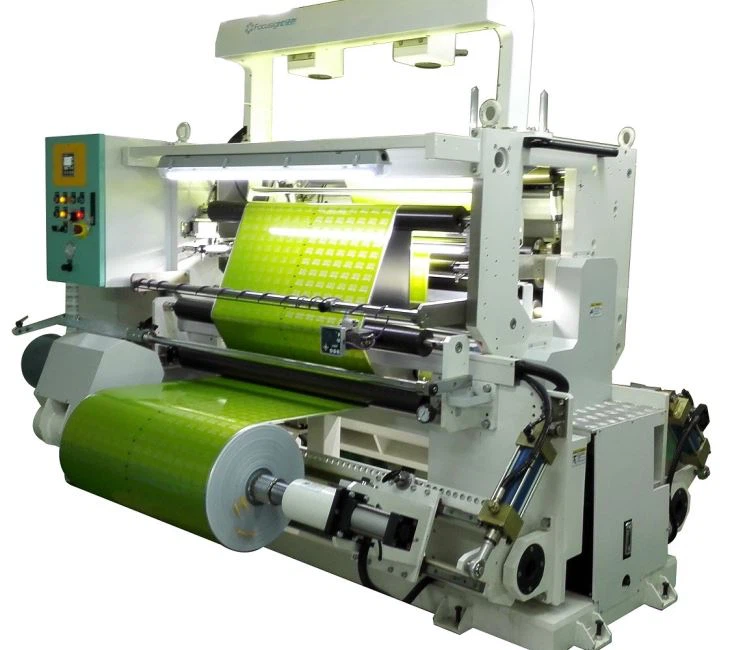
1. Unstable Rewinding Tension
One of the most common issues with flexible packaging rewinders is unstable rewinding tension. This problem can lead to uneven winding, wrinkling, or even breakage of the material.
Possible Causes
- Mechanical Issues: Worn-out belts, pulleys, or bearings can cause inconsistent power transmission, resulting in fluctuating tension.
- Electrical Problems: Faulty sensors or controllers may fail to accurately measure and adjust the tension.
- Material Variations: Differences in the thickness, width, or elasticity of the flexible material can also affect the tension.
Troubleshooting Steps
- Mechanical Inspection: Check all belts, pulleys, and bearings for signs of wear and tear. Replace any damaged components as necessary. Ensure that all mechanical connections are tight and properly aligned.
- Electrical Check: Test the sensors and controllers to ensure they are functioning correctly. Calibrate the tension control system if needed. You can refer to the user manual for specific calibration procedures.
- Material Evaluation: If the material is causing the tension instability, try adjusting the rewinding speed or tension settings according to the material's characteristics. It may also be necessary to use a different type of material or make adjustments to the material handling process.
2. Film Wrinkling
Wrinkling of the flexible film during rewinding is another frequent problem. This not only affects the appearance of the finished product but can also cause issues during subsequent processing.
Possible Causes
- Uneven Tension Distribution: As mentioned earlier, uneven tension can lead to wrinkling. If the tension is too high on one side of the film, it will cause the film to bunch up and form wrinkles.
- Incorrect Guide Roller Alignment: Misaligned guide rollers can cause the film to deviate from its intended path, resulting in wrinkling.
- Dirty or Damaged Guide Rollers: Accumulated dirt, debris, or damage on the guide rollers can cause the film to stick or catch, leading to wrinkles.
Troubleshooting Steps
- Tension Adjustment: Check and adjust the tension across the width of the film to ensure it is uniform. Use tension sensors or manual adjustments to fine-tune the tension settings.
- Guide Roller Alignment: Inspect the guide rollers for proper alignment. Make sure they are parallel to each other and perpendicular to the film path. Adjust the alignment if necessary using the adjustment mechanisms provided on the machine.
- Guide Roller Cleaning and Maintenance: Clean the guide rollers regularly to remove any dirt or debris. Check for any signs of damage, such as scratches or dents, and replace the rollers if needed.
3. Rewinding Speed Fluctuations
Inconsistent rewinding speed can cause problems such as uneven winding, poor quality control, and reduced productivity.
Possible Causes
- Motor Issues: A malfunctioning motor can cause the rewinding speed to fluctuate. This could be due to electrical problems, overheating, or mechanical wear.
- Drive System Problems: Issues with the drive system, such as a slipping belt or a damaged gearbox, can also lead to speed variations.
- Load Variations: Changes in the load on the rewinder, such as variations in the thickness or width of the material, can affect the speed.
Troubleshooting Steps
- Motor Inspection: Check the motor for any signs of damage or overheating. Test the electrical connections and ensure that the motor is receiving the correct voltage and current. If necessary, consult a professional electrician to repair or replace the motor.
- Drive System Check: Inspect the drive system components, including the belts, pulleys, and gearbox. Look for signs of wear, damage, or slippage. Replace any worn or damaged parts and adjust the tension of the belts as needed.
- Load Management: Monitor the load on the rewinder and make adjustments to the speed settings as necessary. If the load varies significantly, consider using a variable speed drive to maintain a consistent rewinding speed.
4. Film Breakage
Film breakage during rewinding can be a frustrating and costly problem. It can lead to production downtime, wasted materials, and increased labor costs.
Possible Causes
- High Tension: Excessive tension on the film can cause it to break, especially if the material is thin or brittle.
- Sharp Edges or Obstructions: Sharp edges on the guide rollers, slitting knives, or other components can cut or damage the film, leading to breakage.
- Material Defects: Pre-existing defects in the film, such as cracks or weak spots, can also cause it to break during rewinding.
Troubleshooting Steps
- Tension Reduction: Lower the tension settings to a level that is appropriate for the material. Use a tension meter to accurately measure the tension and make adjustments as needed.
- Component Inspection: Check all components of the rewinder for sharp edges or obstructions. File down any sharp edges and remove any debris or foreign objects that may be causing the film to catch.
- Material Quality Control: Inspect the incoming film for any defects before rewinding. If possible, source the film from a reliable supplier and perform quality checks on a regular basis.
5. Roll Formation Issues
Poor roll formation, such as telescoping, coning, or uneven density, can affect the quality and usability of the finished product.
Possible Causes
- Uneven Tension: As with wrinkling and film breakage, uneven tension can also cause roll formation problems.
- Incorrect Core Placement: If the core is not properly centered or secured on the rewinder, it can lead to uneven winding and roll formation issues.
- Inadequate Core Support: Insufficient support for the core during rewinding can cause it to deform or collapse, resulting in poor roll formation.
Troubleshooting Steps
- Tension Adjustment: Ensure that the tension is uniform across the width of the film to promote even roll formation. Use tension sensors or manual adjustments to fine-tune the tension settings.
- Core Placement Check: Check the placement of the core on the rewinder and make sure it is centered and properly secured. Use core chucks or other clamping devices to hold the core in place during rewinding.
- Core Support Enhancement: If the core is not adequately supported, consider using additional support mechanisms, such as core tubes or mandrels, to prevent deformation or collapse.
Conclusion
Troubleshooting common problems of a flexible packaging rewinder requires a systematic approach and a good understanding of the machine's operation. By following the steps outlined in this blog, you can effectively identify and resolve many of the issues that may arise during rewinding. However, if you encounter a problem that you are unable to solve on your own, don't hesitate to contact us. As a leading supplier of flexible packaging rewinders, we have the expertise and resources to provide you with the support and assistance you need.
If you are interested in our Rewinder for Printed Film Inspection, Inspection Rewinder Machine, or Plastic Rewinding Machine, please feel free to reach out to us for more information and to discuss your specific requirements. We look forward to the opportunity to work with you and help you optimize your packaging operations.
References
- Packaging Machinery Manufacturers Institute (PMMI). (2023). Flexible Packaging Machinery Handbook.
- ASME International. (2022). ASME B15.1 - Safety Standard for Mechanical Power Transmission Apparatus.