

What are the common problems of a Labelstock Slitting Machine and how to solve them?
Aug 01, 2025
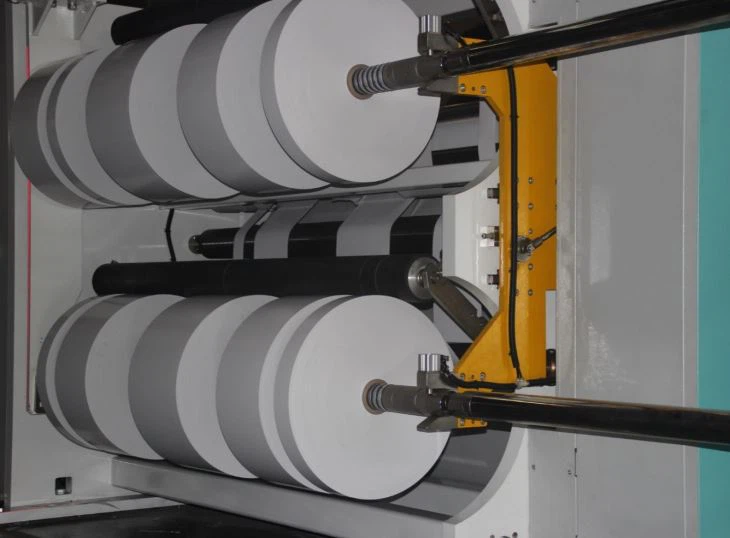
As a leading supplier of Labelstock Slitting Machine, I've witnessed firsthand the importance of these machines in the label manufacturing industry. They play a crucial role in transforming large rolls of labelstock into smaller, more manageable rolls that are ready for use in various labeling applications. However, like any complex piece of equipment, labelstock slitting machines can encounter a range of problems that can disrupt production and affect the quality of the final product. In this blog post, I'll discuss some of the most common problems faced by labelstock slitting machines and provide practical solutions to help you keep your operations running smoothly.
1. Blade Wear and Dulling
One of the most frequent issues with labelstock slitting machines is blade wear and dulling. Over time, the cutting blades used in these machines can become worn down due to continuous contact with the labelstock material. Dull blades can lead to a variety of problems, including uneven cuts, frayed edges, and increased waste.
Solution:
- Regular Blade Inspection: Implement a routine inspection schedule to check the condition of the blades. Look for signs of wear, such as chipping, blunting, or uneven cutting edges.
- Proper Blade Maintenance: Follow the manufacturer's guidelines for blade maintenance, which may include sharpening or replacing the blades at regular intervals. Using high-quality blades and proper lubrication can also extend their lifespan.
- Blade Selection: Choose the right type of blade for the specific labelstock material you are working with. Different materials may require different blade geometries and coatings to ensure clean, precise cuts.
2. Tension Control Problems
Maintaining proper tension throughout the slitting process is essential for achieving consistent and high-quality results. Tension control problems can manifest in various ways, such as loose or tight winding, wrinkling, or telescoping of the finished rolls.
Solution:
- Calibrate Tension Systems: Regularly calibrate the tension control systems on your slitting machine to ensure accurate and consistent tension throughout the process. This may involve adjusting the tension settings based on the type and thickness of the labelstock material.
- Use Tension Sensors: Install tension sensors on the machine to monitor and adjust the tension in real-time. These sensors can provide valuable feedback and help prevent tension-related issues.
- Check Winding Mechanisms: Inspect the winding mechanisms, such as the rewinding shafts and brakes, to ensure they are functioning properly. Any mechanical issues or wear and tear should be addressed promptly to maintain proper tension control.
3. Alignment Issues
Proper alignment of the labelstock material and the cutting blades is crucial for achieving clean, straight cuts. Misalignment can result in uneven cuts, off-center slitting, and wasted material.
Solution:
- Perform Regular Alignment Checks: Use alignment tools, such as laser alignment systems or precision measuring devices, to check the alignment of the labelstock material and the cutting blades. Make adjustments as needed to ensure proper alignment.
- Inspect Machine Components: Check the machine's guides, rollers, and other components for any signs of wear or damage that could affect alignment. Replace or repair any worn parts to maintain accurate alignment.
- Train Operators: Provide proper training to your operators on how to set up and adjust the machine for optimal alignment. Encourage them to perform regular checks and report any alignment issues immediately.
4. Dust and Debris Accumulation
During the slitting process, dust and debris can accumulate on the machine's components, such as the blades, guides, and rollers. This can affect the performance of the machine and lead to quality issues, such as dirty cuts or clogged mechanisms.
Solution:
- Implement a Cleaning Schedule: Establish a regular cleaning schedule to remove dust and debris from the machine. Use compressed air, brushes, or vacuum cleaners to clean the components thoroughly.
- Install Dust Collection Systems: Consider installing a dust collection system on the machine to capture and remove dust and debris during the slitting process. This can help keep the machine clean and reduce the risk of contamination.
- Use Anti-Static Measures: Static electricity can attract dust and debris to the labelstock material and the machine's components. Use anti-static bars or other anti-static measures to reduce static buildup and prevent dust accumulation.
5. Electrical and Mechanical Failures
Like any complex machinery, labelstock slitting machines can experience electrical and mechanical failures. These failures can range from minor issues, such as blown fuses or loose connections, to major problems, such as motor failures or hydraulic leaks.
Solution:
- Regular Maintenance and Inspections: Implement a comprehensive maintenance program that includes regular inspections, lubrication, and preventive maintenance tasks. This can help identify and address potential issues before they become major problems.
- Keep Spare Parts on Hand: Maintain an inventory of essential spare parts, such as fuses, belts, and bearings, to minimize downtime in the event of a failure. Make sure the spare parts are compatible with your machine and are stored in a clean, dry environment.
- Partner with a Reliable Service Provider: Establish a relationship with a reliable service provider who can provide prompt and professional repair services when needed. Look for a provider with experience in servicing labelstock slitting machines and a good reputation in the industry.
6. Quality Control Problems
Ensuring the quality of the finished labelstock rolls is essential for meeting customer expectations and maintaining a competitive edge in the market. Quality control problems can include issues such as inconsistent thickness, color variation, and print defects.
Solution:

- Implement Quality Control Checks: Establish a quality control process that includes regular inspections of the finished labelstock rolls. Use inspection tools, such as thickness gauges, colorimeters, and magnifying glasses, to check for any quality issues.
- Train Operators on Quality Standards: Provide your operators with clear instructions and training on the quality standards for the labelstock rolls. Encourage them to take pride in their work and to report any quality issues immediately.
- Use Quality Assurance Technologies: Consider using quality assurance technologies, such as Label Inspection Rewinder systems, to automate the quality control process and detect any defects or inconsistencies.
Conclusion
Labelstock slitting machines are essential tools in the label manufacturing industry, but they can encounter a range of problems that can affect production efficiency and product quality. By being aware of the common problems and implementing the solutions outlined in this blog post, you can minimize downtime, reduce waste, and ensure the consistent performance of your Slitter Rewinder For Labelstock.
If you're facing any issues with your labelstock slitting machine or are looking to upgrade your equipment, don't hesitate to contact us. Our team of experts is here to provide you with the support and solutions you need to keep your operations running smoothly. We offer a wide range of high-quality labelstock slitting machines and related products, as well as comprehensive after-sales service and technical support. Let's work together to take your label manufacturing business to the next level.
References
- Manufacturer's manuals and technical documentation for labelstock slitting machines.
- Industry best practices and guidelines for label manufacturing and slitting processes.
- Research articles and publications on the latest advancements in labelstock slitting technology.