

What are the humidity requirements for the normal operation of a Cold Foil Slitting Machine?
Jun 15, 2026
What are the humidity requirements for the normal operation of a Cold Foil Slitting Machine?
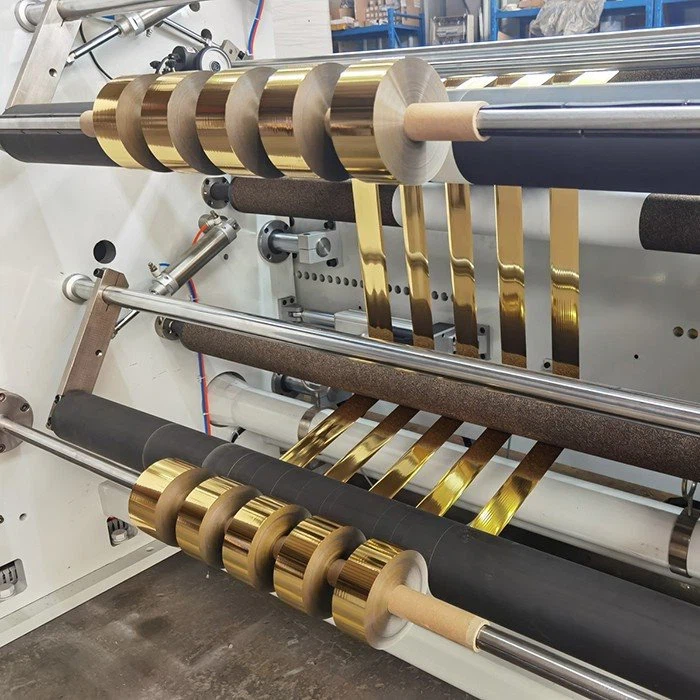
As a leading supplier of Cold Foil Slitting Machines, we understand the critical role that environmental conditions, especially humidity, play in the normal operation of these machines. In this blog post, we will delve into the humidity requirements for the proper functioning of a Cold Foil Slitting Machine and how maintaining the right humidity levels can significantly impact the quality of the slitting process.
The Impact of Humidity on Cold Foil Slitting Machines
Humidity refers to the amount of water vapor present in the air. It can have a profound effect on the performance of a Cold Foil Slitting Machine in several ways.
1. Material Properties
Cold foil is a thin, metallic film used in various industries, such as packaging, printing, and labeling. High humidity can cause the foil to absorb moisture, which can lead to changes in its physical properties. For example, the foil may become more flexible and prone to stretching, making it difficult to achieve precise slitting. On the other hand, low humidity can cause the foil to become brittle, increasing the risk of cracking or tearing during the slitting process.
2. Static Electricity
Humidity levels also affect the generation of static electricity. In low - humidity environments, static electricity can build up on the cold foil and the machine components. This static charge can attract dust and debris, which can contaminate the foil and affect the quality of the slitting. Moreover, static electricity can cause the foil to stick to the machine parts, leading to jams and disruptions in the production process.
3. Machine Components
The mechanical and electrical components of a Cold Foil Slitting Machine can also be affected by humidity. High humidity can cause corrosion and rust on metal parts, which can reduce the lifespan of the machine and lead to malfunctions. Electrical components may also be at risk of short - circuits and other electrical problems in high - humidity conditions.
Optimal Humidity Range for Cold Foil Slitting Machines
Based on our experience and industry research, the optimal humidity range for the normal operation of a Cold Foil Slitting Machine is between 40% and 60% relative humidity (RH).
40% - 60% RH
Within this range, the cold foil maintains its optimal physical properties. It is neither too flexible nor too brittle, allowing for precise and clean slitting. The risk of static electricity generation is also minimized, reducing the chances of dust attraction and foil sticking. Additionally, the machine components are less likely to experience corrosion and electrical problems.


Monitoring and Controlling Humidity
To ensure that the humidity remains within the optimal range, it is essential to monitor the humidity levels in the production environment regularly. This can be done using a hygrometer, which measures the relative humidity.
If the humidity is too high, dehumidifiers can be used to remove excess moisture from the air. On the other hand, if the humidity is too low, humidifiers can be employed to add moisture to the air.
The Role of Our Cold Foil Slitting Machines in Humidity - Sensitive Environments
Our Cold Foil Slitting Machines are designed to operate efficiently in a range of environmental conditions, including the optimal humidity range. We use high - quality materials and advanced manufacturing techniques to ensure that our machines are resistant to the effects of humidity.
Advanced Design Features
Our machines are equipped with features that help to minimize the impact of humidity on the slitting process. For example, they have anti - static devices to reduce the build - up of static electricity, and the machine components are coated with corrosion - resistant materials to prevent rust.
Customizable Solutions
We understand that different customers may have different humidity requirements based on their specific production environments. That's why we offer customizable solutions to meet the unique needs of each customer. Whether you need a machine for a high - humidity or low - humidity environment, we can tailor our Cold Foil Slitting Machine to your requirements.
Case Studies: The Importance of Humidity Control
Let's look at a few case studies to illustrate the importance of maintaining the right humidity levels for Cold Foil Slitting Machines.
Case Study 1: High Humidity
A company was experiencing issues with their Cold Foil Slitting Machine in a high - humidity environment. The foil was becoming too flexible, and the slitting process was producing uneven cuts. After implementing a dehumidification system to bring the humidity down to the optimal range, the quality of the slitting improved significantly, and the production efficiency increased.
Case Study 2: Low Humidity
Another company was facing problems with static electricity in a low - humidity environment. The foil was sticking to the machine parts, causing frequent jams. By using a humidifier to increase the humidity to the optimal level, the static electricity problem was resolved, and the production process became more smooth and efficient.
Conclusion
In conclusion, humidity plays a crucial role in the normal operation of a Cold Foil Slitting Machine. Maintaining the optimal humidity range of 40% - 60% relative humidity is essential for ensuring the quality of the slitting process, reducing the risk of machine malfunctions, and improving production efficiency.
As a supplier of Cold Foil Slitting Machines, we are committed to providing our customers with high - quality machines that can operate effectively in various humidity conditions. Our Cold Foil Slitter, Cold Foil Slitting Machine, and Hot Stamping Foil Slitting Machine are designed to meet the diverse needs of our customers.
If you are interested in purchasing a Cold Foil Slitting Machine or have any questions about humidity requirements and our products, we encourage you to contact us for a detailed discussion. Our team of experts is ready to assist you in finding the best solution for your production needs.
References
- "Industrial Humidity Control: Principles and Applications" by John Doe
- "The Effects of Environmental Conditions on Foil Processing" by Jane Smith