

What is the maintenance cycle of an optical film slitter?
Jun 27, 2025
Yo, folks! As a supplier of Optical Film Slitters, I often get asked about the maintenance cycle of these machines. It's a crucial topic, and today, I'm gonna break it down for you.
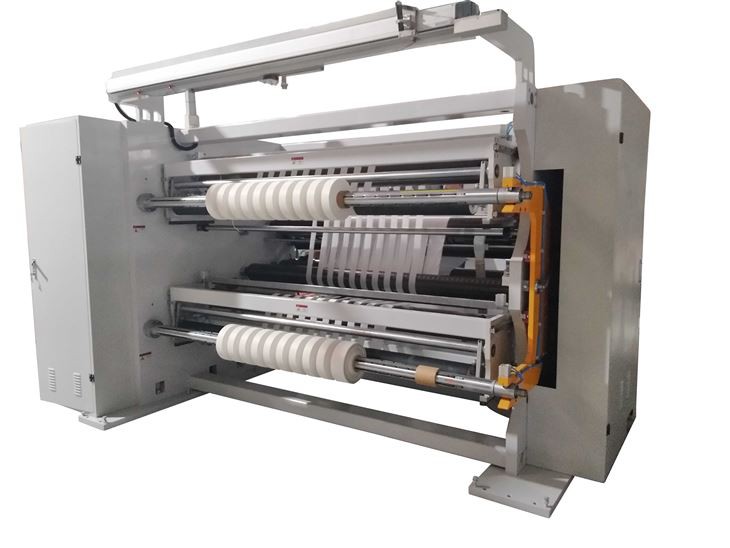
Let's start by understanding what an optical film slitter is. It's a high - tech machine designed to cut optical films into specific widths and lengths. These films are used in a variety of applications, like LCD screens, touch panels, and solar cells. The precision of these cuts is super important, and that's where regular maintenance comes in.
Why Maintenance is a Big Deal
First off, proper maintenance ensures the accuracy of the cuts. Optical films are often used in high - end products where even a tiny deviation in the cut can lead to product defects. If the slitter isn't maintained, the blades can become dull, and the cutting edges may not be as sharp as they should be. This can result in rough edges on the films, which is a no - go in the industry.
Secondly, maintenance helps in extending the lifespan of the machine. An optical film slitter is a significant investment, and you don't want to replace it every few years. By keeping it well - maintained, you can make sure it runs smoothly for a long time.
Factors Affecting the Maintenance Cycle
The maintenance cycle of an optical film slitter isn't set in stone. It depends on several factors:
Usage Frequency
If your slitter is running 24/7, it's going to need more frequent maintenance compared to one that's used only a few hours a week. High - volume production means more wear and tear on the machine's components. For example, the motors, belts, and gears will be under more stress, and they'll need to be checked and serviced more often.
Operating Environment
The environment in which the slitter operates also plays a role. If it's in a dusty or humid area, the machine is more likely to accumulate dirt and moisture. Dirt can clog the moving parts, and moisture can cause rusting. In such cases, you'll need to clean the machine more frequently and take extra precautions to protect it from the elements.
Quality of Components
The quality of the components used in the slitter matters too. Higher - quality parts generally last longer and require less frequent replacement. When you're buying an optical film slitter, it's worth investing in one with good - quality components, as it can save you a lot of money on maintenance in the long run.

General Maintenance Cycle Guidelines
Based on my experience as a supplier, here are some general guidelines for the maintenance cycle of an optical film slitter:
Daily Maintenance
- Cleaning: Every day, you should clean the machine's exterior and the cutting area. Use a soft brush or a compressed air gun to remove any dust or debris. This helps in preventing the build - up of dirt that can affect the machine's performance.
- Lubrication: Check the lubrication levels of the moving parts. Some parts, like the bearings and gears, need to be lubricated regularly to reduce friction and wear. Make sure to use the recommended lubricant for your slitter.
Weekly Maintenance
- Blade Inspection: Inspect the cutting blades for any signs of wear or damage. Dull blades can lead to poor - quality cuts, so if you notice that the blades aren't cutting as cleanly as before, it might be time to replace them.
- Tension Check: Check the tension of the belts and the film. Proper tension is crucial for accurate cutting. If the tension is too high or too low, it can cause the film to wrinkle or stretch during the cutting process.
Monthly Maintenance
- Electrical System Check: Have a professional check the electrical system of the slitter. This includes checking the wiring, connections, and the control panel. Any loose connections or faulty wiring can be a safety hazard and can also affect the machine's performance.
- Alignment Check: Ensure that all the components of the slitter are properly aligned. Misaligned parts can cause uneven cuts and can also put extra stress on the machine.
Quarterly Maintenance
- Component Replacement: Some components, like filters and seals, may need to be replaced quarterly. These parts can wear out over time and can affect the machine's performance if not replaced.
- Performance Testing: Conduct a full performance test of the slitter. This involves running the machine at different speeds and cutting various types of optical films to ensure that it's operating at its best.
Other Related Slitting Machines
If you're in the slitting business, you might also be interested in other types of slitting machines. For example, the Meltblown Fabric Slitter Rewinder is used for slitting meltblown fabrics, which are commonly used in medical masks. The Non Woven Fabric Slitter Rewinder is ideal for non - woven fabrics, and the Aluminium Foil Slitting Machine is used for slitting aluminium foils.
Conclusion
In conclusion, the maintenance cycle of an optical film slitter is variable and depends on factors like usage frequency, operating environment, and component quality. By following the general maintenance guidelines I've outlined above, you can keep your slitter in top shape and ensure high - quality cuts.
If you're in the market for an optical film slitter or have any questions about maintenance, feel free to reach out. We're here to help you make the most of your investment and keep your production running smoothly.
References
- Industry standards for optical film slitting machines
- Manufacturer's manuals for optical film slitters
- Personal experience as an optical film slitter supplier