

How to ensure the pattern integrity during the slitting process of a Cold Foil Slitting Machine?
Jul 24, 2025
As a provider of Cold Foil Slitting Machines, ensuring pattern integrity during the slitting process is of utmost importance. Cold foil slitting machines are widely used in various industries, such as printing, packaging, and label manufacturing, where the quality of the slit foils directly impacts the final product's appearance and performance. In this blog, I will share some key strategies and considerations to help you maintain pattern integrity during the slitting process.
Understanding the Cold Foil Slitting Process
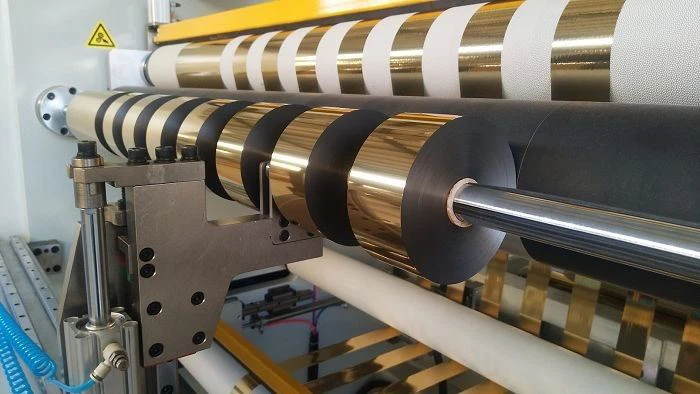
Before delving into the ways to ensure pattern integrity, it is essential to understand the basic principles of the cold foil slitting process. Cold foil slitting involves cutting a large roll of cold foil into narrower strips of the desired width. This process typically uses a slitting machine equipped with sharp blades that make precise cuts along the length of the foil. The slitting process can be influenced by several factors, including the type of foil, the slitting machine's settings, and the operating conditions.
Selecting the Right Cold Foil
The quality and characteristics of the cold foil play a significant role in maintaining pattern integrity during slitting. When selecting cold foil for your slitting process, consider the following factors:
- Thickness and Material: Choose a foil with a consistent thickness and high-quality material. Inconsistent thickness can lead to uneven cuts and pattern distortion.
- Adhesive Strength: The adhesive on the foil should be strong enough to hold the pattern in place during slitting but not so strong that it causes the foil to stick to the blades.
- Surface Smoothness: A smooth surface on the foil helps prevent the blades from catching or tearing the pattern.
Optimizing the Slitting Machine Settings
Properly setting up the slitting machine is crucial for ensuring pattern integrity. Here are some key settings to consider:
- Blade Selection and Alignment: Use sharp, high-quality blades that are specifically designed for cold foil slitting. Ensure that the blades are properly aligned to make clean, straight cuts. Misaligned blades can cause jagged edges and pattern damage.
- Cutting Pressure: Adjust the cutting pressure to a level that is sufficient to cut through the foil without applying too much force. Excessive pressure can cause the foil to deform or the pattern to be crushed.
- Slitting Speed: The slitting speed should be optimized based on the type of foil and the machine's capabilities. Too high a speed can lead to rough cuts and pattern distortion, while too low a speed can result in inefficient production.
Maintaining a Clean and Stable Operating Environment
The operating environment can also have an impact on pattern integrity during slitting. Here are some tips to create a clean and stable environment:
- Dust and Debris Control: Keep the slitting area clean and free of dust and debris. Dust particles can get trapped between the foil and the blades, causing scratches and pattern damage.
- Temperature and Humidity Control: Maintain a stable temperature and humidity level in the operating area. Extreme temperatures or humidity can affect the foil's properties and lead to pattern distortion.
- Machine Maintenance: Regularly maintain the slitting machine to ensure its proper functioning. This includes cleaning the blades, lubricating moving parts, and checking for any signs of wear or damage.
Implementing Quality Control Measures
Implementing quality control measures throughout the slitting process can help identify and address any issues that may affect pattern integrity. Here are some quality control steps to consider:
- Visual Inspection: Conduct regular visual inspections of the slit foils to check for any signs of pattern damage, such as cuts, tears, or distortion.
- Sampling and Testing: Take samples of the slit foils at regular intervals and test them for pattern integrity. This can include measuring the width and length of the strips, checking the alignment of the pattern, and evaluating the adhesive strength.
- Documentation and Record-Keeping: Keep detailed records of the slitting process, including the machine settings, the type of foil used, and any quality control results. This documentation can help identify trends and issues over time and make necessary adjustments to the process.
Training and Education
Proper training and education of the operators are essential for ensuring pattern integrity during slitting. Provide comprehensive training on the slitting machine's operation, maintenance, and quality control procedures. Operators should be familiar with the factors that can affect pattern integrity and know how to identify and address any issues that may arise.

Conclusion
Ensuring pattern integrity during the slitting process of a Cold Foil Slitting Machine requires a combination of careful foil selection, proper machine setup, a clean operating environment, and effective quality control measures. By following these guidelines, you can minimize pattern damage and produce high-quality slit foils that meet your customers' expectations.
If you are interested in learning more about our Slitter Machine For Hot Stamping Foils or Hot Foil Slitter Rewinder, or our 800mm Small Slitter Rewinder, please feel free to contact us. Our team of experts is ready to assist you in selecting the right equipment for your specific needs and providing you with the support and training you need to ensure successful slitting operations.
References
- "Cold Foil Slitting: Best Practices for Pattern Integrity," Journal of Foil Technology, Vol. XX, Issue XX, 20XX.
- "Optimizing Slitting Processes for Cold Foil Applications," Proceedings of the International Conference on Foil Processing, 20XX.
- "Quality Control in Cold Foil Slitting," Manufacturing Quality Magazine, Vol. XX, Issue XX, 20XX.