

In the paper tube manufacturing industry, the efficient operation of paper tube cutters is crucial for production. However, one aspect that often gets overlooked is the proper handling of the waste generated by these machines. As a leading Paper Tube Cutter supplier, we understand the importance of addressing this issue not only for environmental reasons but also for the overall efficiency and cost - effectiveness of the production process.
Types of Waste from Paper Tube Cutters
The waste generated by paper tube cutters can be broadly classified into two main types: solid waste and dust waste.
Solid waste typically consists of cut - off paper tube ends, scrap pieces, and any defective paper tubes that are removed during the cutting process. These solid remnants vary in size, from small chips to larger tube segments. The amount of solid waste produced depends on several factors, such as the complexity of the cutting pattern, the quality of the input paper tubes, and the precision of the cutter.
Dust waste is another significant by - product. During the cutting process, friction between the cutter blade and the paper tube generates fine paper dust. This dust can pose a health hazard to workers if inhaled over an extended period. Moreover, if not properly managed, it can accumulate on machinery, leading to increased wear and tear and potential malfunctions.

Challenges in Waste Handling
Handling the waste from paper tube cutters presents several challenges. Firstly, storage of the solid waste can be a problem. Large volumes of scrap paper tubes take up valuable floor space in the production facility. Improper storage can also lead to clutter, which may impede the smooth flow of operations and increase the risk of accidents.
Secondly, the disposal of the waste can be costly. Traditional waste disposal methods, such as landfilling, are not only expensive but also have a negative environmental impact. Additionally, the dust waste requires specialized equipment for collection and filtration to prevent it from spreading throughout the facility.
Strategies for Handling Solid Waste
One of the most effective ways to handle solid waste is through recycling. Paper is a highly recyclable material, and many recycling facilities are equipped to process paper tube waste. By partnering with a reliable recycling company, you can ensure that your scrap paper tubes are turned into new paper products. This not only reduces the environmental impact but also helps to offset some of the costs associated with waste disposal.

Another strategy is to reuse the solid waste within the production process. For example, smaller scrap pieces can be used as fillers or reinforcement materials in other paper - based products. This approach not only reduces waste but also adds value to the production process.
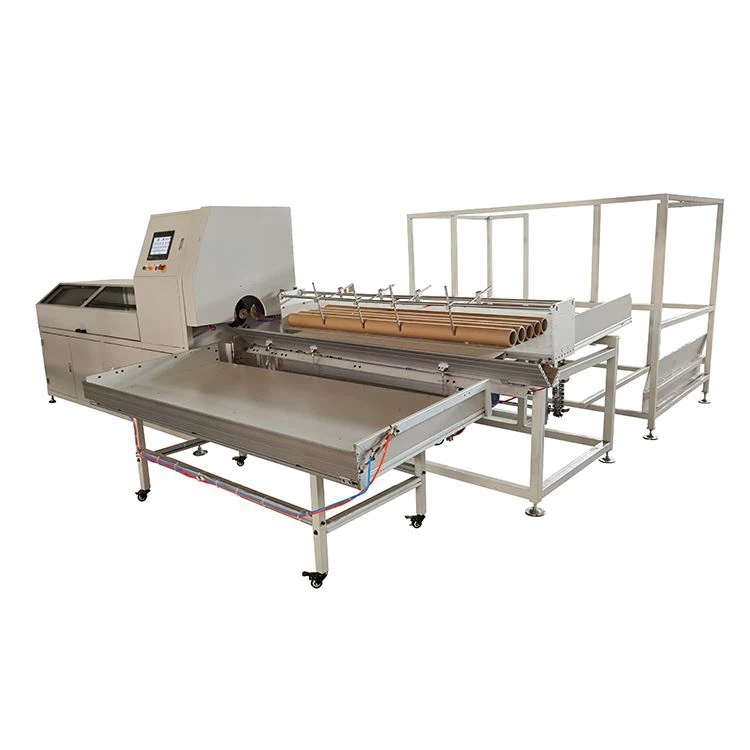
We offer a range of advanced paper tube cutters, such as the Automatic Core Cutter For Thick Paper Cores, which are designed to minimize waste generation. These machines use precision cutting technology to ensure that the maximum amount of paper tube is used in the final product, reducing the amount of scrap material.
Managing Dust Waste
To manage dust waste effectively, it is essential to install a proper dust collection system. A well - designed dust collector can capture the fine paper dust generated during the cutting process, preventing it from spreading into the air. The collected dust can then be safely disposed of or recycled, depending on its quality.
Regular maintenance of the dust collection system is also crucial. Filters should be cleaned or replaced at regular intervals to ensure optimal performance. Our Muti Diameter Fully Automatic Core Cutter is equipped with an efficient dust collection mechanism, which helps to keep the working environment clean and safe.
Implementing a Waste Management Plan
Developing a comprehensive waste management plan is essential for any paper tube manufacturing facility. The plan should include clear guidelines on waste collection, storage, recycling, and disposal. It should also assign responsibilities to specific individuals or teams within the organization to ensure that the plan is effectively implemented.
Regular monitoring and evaluation of the waste management plan are also necessary. By tracking the amount of waste generated, the effectiveness of recycling efforts, and the cost of waste disposal, you can identify areas for improvement and make necessary adjustments to the plan.
The Role of Technology in Waste Handling
Advancements in technology have made it possible to improve waste handling in paper tube manufacturing. For example, modern paper tube cutters are equipped with sensors and control systems that can optimize the cutting process, reducing waste generation. Some machines can also detect defective paper tubes in real - time and automatically remove them from the production line, minimizing the amount of scrap material.
Our Fully Automatic Paper Core Cutter incorporates the latest technological features to enhance waste management. It uses advanced algorithms to calculate the optimal cutting pattern, ensuring that the paper tubes are cut with maximum efficiency and minimal waste.
Environmental and Economic Benefits
Proper waste handling offers significant environmental and economic benefits. From an environmental perspective, recycling and reducing waste help to conserve natural resources and reduce the carbon footprint of the paper tube manufacturing process. It also helps to prevent pollution and protect the environment for future generations.

Economically, effective waste management can lead to cost savings. By reducing the amount of waste sent to landfills, you can lower your waste disposal costs. Additionally, recycling and reusing waste materials can generate additional revenue or reduce the cost of raw materials.
Conclusion
As a Paper Tube Cutter supplier, we are committed to providing our customers with not only high - quality cutting machines but also solutions for effective waste handling. By implementing the strategies outlined in this blog, you can minimize the waste generated by your paper tube cutters, improve the efficiency of your production process, and contribute to a more sustainable future.
If you are interested in learning more about our paper tube cutters or need advice on waste management, we encourage you to contact us for a detailed discussion. Our team of experts is ready to assist you in finding the best solutions for your specific needs.
References
- "Waste Management in the Paper Industry" - Journal of Sustainable Manufacturing
- "Advances in Paper Cutting Technology" - International Journal of Manufacturing Technology