

Slitter Rewinder Maintenance Intervals: A Complete Preventive Maintenance Guide
What Are Slitter Rewinder Maintenance Intervals?
These cycles are determined by machine design, working conditions and processing materials. Routine preventive maintenance acts as regular health monitoring for your slitter rewinder. It avoids sudden machine breakdowns, minimizes production downtime and sustains stable operation. Neglecting scheduled maintenance often leads to costly emergency repairs and production losses.
Key Factors That Determine Slitter Rewinder Maintenance Cycles
Multiple variables affect how often you should service your slitter rewinder:
1)Machine Operating Load
Higher running frequency requires tighter maintenance schedules. Equipment operating 24/7 in high-volume production demands more frequent servicing compared to machines used intermittently with low output.2)Processed Material Types
Abrasive materials accelerate component wear. For pigment foil slitter rewinder and metallized film slitter rewinder applications, cutting blades and contact rollers wear faster. Machines processing soft films experience relatively mild abrasion and slower component degradation.3)Workshop Operating Environment
Dusty, humid, corrosive or coastal salt-air environments raise maintenance frequency requirements. Dust, moisture and corrosive substances cause rust, blockages and component damage, requiring enhanced cleaning and anti-corrosion protection for your slitter rewinder.
Recommended Scheduled Maintenance Intervals for Slitter Rewinder
1)Daily Maintenance
Visual overall inspection: Check loose fittings, oil/air leaks, damaged cables and worn belts.
Equipment cleaning: Clear scraps, dust and residual materials, focus on cutting blades and rewinding rollers.
Lubrication check: Refill lubricants for moving parts to lower friction and abrasion.
2)Weekly Maintenance
Blade inspection & cleaning: Check blade sharpness, clear surface residue; replace chipped or dull cutting blades.
Tension calibration: Verify unwinding and rewinding tension to prevent wrinkling, material stretching and uneven winding.
Electrical circuit inspection: Examine wiring and connectors to eliminate loose connections and hidden electrical risks.
3)Monthly Maintenance
Belt and chain tension adjustment: Tighten stretched belts and chains to guarantee stable transmission.
Filter replacement: Swap air filters and hydraulic filters following manufacturer specifications. Clogged filters reduce efficiency and damage precision components.
Component alignment check: Calibrate rollers and cutting blade alignment to avoid uneven slitting and premature wear.
4)Quarterly Maintenance
Hydraulic & pneumatic system inspection: Professional technicians check for leakage and abnormal pressure.
Control system software update: Install official updates to optimize slitter rewinder functions and safety performance.
Full machine comprehensive inspection: Thoroughly audit mechanical, electrical and hydraulic assemblies to detect potential faults early.
4)Annual Maintenance
Key wearing component replacement: Plan renewal of bearings, motors and cutting blades based on actual operating conditions.
Professional machine calibration: Ensure precise slitting and consistent winding quality to reduce material waste.
Why Follow Standard Slitter Rewinder Maintenance Intervals
1)Stabilize Machine Performance
2)Extend Equipment Service Life
3)Lower Long-Term Operating Costs
4)Improve Workplace Safety

Contact Us for Your Slitter Rewinder Needs
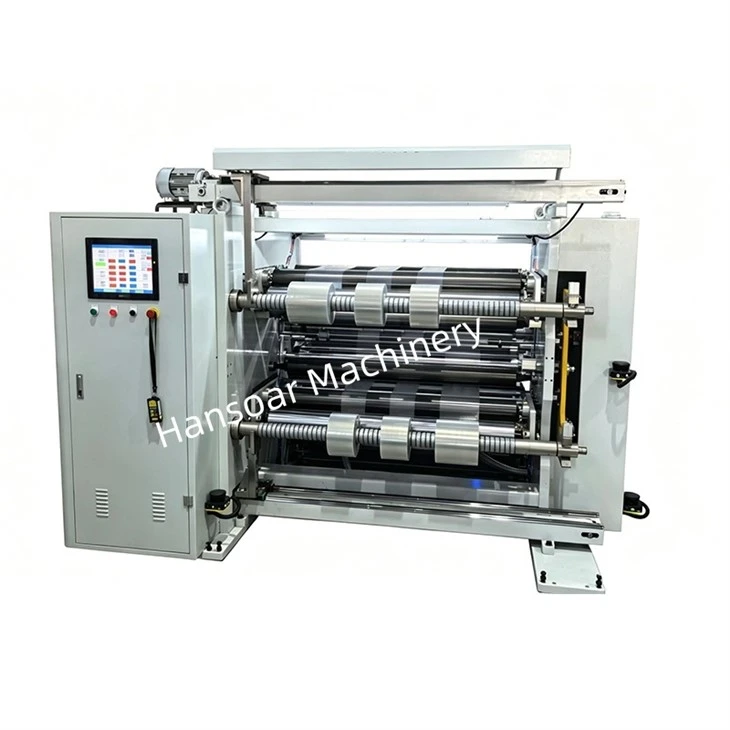
If you're in the market for a high-quality Slitter Rewinder or need more information about maintenance, we're here to help. Our team of experts can provide you with detailed advice on maintenance intervals, as well as recommend the best Slitter Rewinder for your specific needs. Whether you're looking for a Slitter Machine For Films , Aluminum Foil Slitting Machine For Pharmaceutical Packaging. or a 2000mm Hot Stamping Foil Slitter Rewinder , we've got you covered.
Don't hesitate to reach out to us to discuss your requirements and start a conversation about how we can help you maximize the performance and lifespan of your Slitter Rewinder.
References
- Manufacturer's manuals and guidelines for Slitter Rewinders
- Industry best practices for machine maintenance