

Hey there! As a supplier of Flexible Packaging Rewinders, I've seen firsthand the ins and outs of what makes these machines tick. In this blog, I'm gonna break down the factors that can affect the performance of a flexible packaging rewinder.
Machine Design and Build Quality
First off, let's talk about the machine design and build quality. A well - designed rewinder is like a well - oiled machine (literally). The frame should be sturdy enough to handle the tension and movement during the rewinding process. If the frame is flimsy, it can lead to vibrations, which in turn can cause uneven winding.
The precision of the mechanical components also matters a great deal. For example, the rollers need to be perfectly aligned. Even a slight misalignment can result in wrinkles or creases in the packaging material. And the bearings? They should be of high - quality to ensure smooth rotation. A cheap bearing might wear out quickly, leading to increased friction and reduced performance.
When it comes to the control system, it should be user - friendly and reliable. A good control system allows operators to easily adjust parameters like tension, speed, and winding diameter. Some of our Plastic Rewinding Machine models come with advanced control systems that can be programmed for different types of packaging materials, which really boosts efficiency.
Packaging Material Characteristics
The type of packaging material used has a huge impact on the rewinder's performance. Different materials have different properties such as thickness, flexibility, and surface friction.
Thicker materials are generally more difficult to rewind compared to thinner ones. They require more tension to keep them in place during the winding process. If the tension is too low, the material might not wind tightly enough, resulting in loose rolls. On the other hand, if the tension is too high, it can cause the material to stretch or even break.

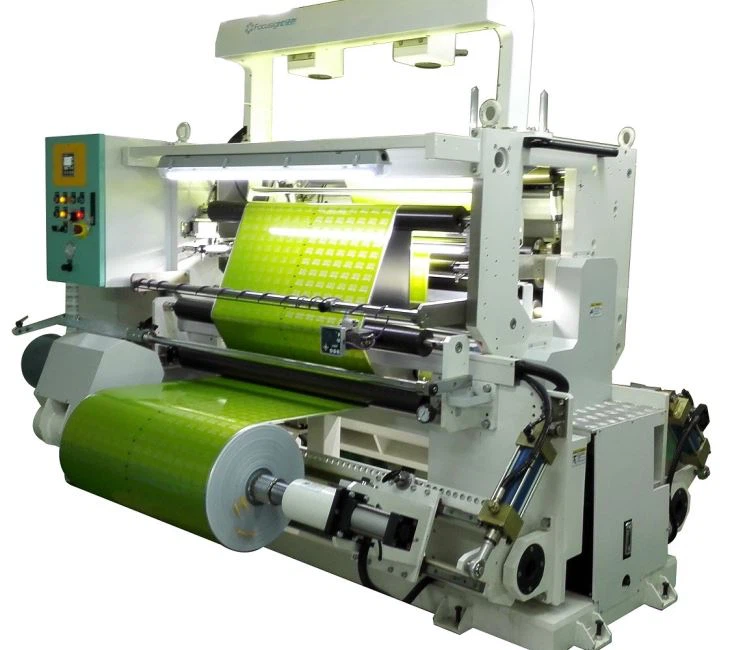
Flexibility is another key factor. Some materials are very flexible, while others are more rigid. Flexible materials can be more challenging to handle as they tend to wrinkle or fold easily. The rewinder needs to be able to adjust to these characteristics to ensure a smooth winding process.
Surface friction also plays a role. Materials with high surface friction can stick to the rollers or other parts of the machine, causing jams or uneven winding. Our rewinder models are designed to handle a wide range of materials, but understanding the specific characteristics of your packaging material is crucial for optimal performance.
Operator Skill and Training
You know what they say, a machine is only as good as its operator. The skill and training of the person running the rewinder can make or break its performance.
An experienced operator knows how to set up the machine correctly. They can adjust the tension, speed, and other parameters based on the type of packaging material and the desired outcome. They also know how to troubleshoot common problems like wrinkles, breaks, or uneven winding.
Proper training is essential. We offer training programs for our customers to ensure that their operators are well - versed in using our Rewinder for Printed Film Inspection and other models. Training includes everything from basic machine operation to advanced maintenance and troubleshooting.
A well - trained operator can also perform regular maintenance tasks, which is crucial for keeping the rewinder in top shape. Simple things like cleaning the rollers, checking the lubrication, and tightening loose bolts can go a long way in preventing breakdowns and improving performance.
Maintenance and Upkeep
Regular maintenance is the lifeblood of any machine, and flexible packaging rewinders are no exception. If you neglect maintenance, you're asking for trouble.
One of the most important maintenance tasks is cleaning. Dust, debris, and leftover packaging material can accumulate on the machine over time. This can cause the rollers to become dirty, which in turn can affect the quality of the winding. Cleaning the machine regularly, especially the critical components like the rollers and the tension control system, can prevent these issues.
Lubrication is another key aspect. The moving parts of the rewinder need to be properly lubricated to reduce friction and wear. Using the right type of lubricant and applying it at the recommended intervals is essential. If the lubrication is inadequate, the parts can wear out quickly, leading to costly repairs.
In addition to regular maintenance, it's also important to keep an eye on the machine's performance and look out for any signs of wear or damage. Replacing worn - out parts before they cause a major breakdown can save you a lot of time and money in the long run.
Environmental Conditions
The environment in which the rewinder operates can also have a significant impact on its performance. Temperature and humidity are two important factors.
High temperatures can cause the packaging material to expand, which can affect the tension and winding quality. On the other hand, low temperatures can make the material more brittle, increasing the risk of breaks. Maintaining a stable temperature in the operating environment is crucial.
Humidity can also be a problem. Excessive humidity can cause the packaging material to absorb moisture, making it heavier and more difficult to handle. It can also lead to corrosion of the machine's metal parts. A dehumidifier or a climate - controlled environment can help mitigate these issues.
Tension Control
Tension control is perhaps one of the most critical factors affecting the performance of a flexible packaging rewinder. Proper tension ensures that the packaging material is wound evenly and tightly.
There are different methods of tension control, such as mechanical, pneumatic, and electronic. Each method has its own advantages and disadvantages. Mechanical tension control is simple and reliable, but it might not be as precise as electronic control. Electronic tension control, on the other hand, allows for more accurate adjustment of the tension, which is especially important when dealing with delicate or high - quality packaging materials.
Our Rewinder for Tetrapak models are equipped with advanced tension control systems that can adapt to different types of materials and winding requirements. This ensures that the final product meets the highest quality standards.
Speed and Efficiency
The speed at which the rewinder operates is another important consideration. While it might be tempting to run the machine at full speed all the time, this isn't always the best approach. Running the rewinder too fast can lead to quality issues such as wrinkles, breaks, or uneven winding.
Finding the right balance between speed and quality is crucial. This often requires some trial and error, as different materials and winding requirements will have different optimal speeds. Our machines are designed to be highly efficient, allowing you to achieve a good balance between speed and quality.
Conclusion
So, there you have it! These are the main factors that can affect the performance of a flexible packaging rewinder. As a supplier, we're committed to providing high - quality machines that can handle a wide range of packaging materials and meet the diverse needs of our customers.
If you're in the market for a flexible packaging rewinder or have any questions about how to improve the performance of your existing machine, don't hesitate to reach out. We're here to help you make the right choice and ensure that your rewinder operates at its best. Let's start a conversation and see how we can work together to take your packaging operations to the next level.
References
- Packaging Machinery Handbook, various authors
- Journal of Packaging Technology and Research, multiple issues
- Industry reports on flexible packaging machinery performance