

A plastic rewinding machine is an essential piece of equipment in the plastic processing and packaging industries. It is used to rewind plastic films, sheets, or other plastic materials onto a new core, often for inspection, slitting, or packaging purposes. As a supplier of plastic rewinding machines, I am well - versed in the main components that make up these machines. In this blog, I will delve into the key parts of a plastic rewinding machine, explaining their functions and importance.
Unwinding Unit
The unwinding unit is the starting point of the plastic rewinding process. Its primary function is to hold and feed the plastic material from the original roll.
Unwinding Shaft
The unwinding shaft is a crucial part of the unwinding unit. It is designed to support the original plastic roll. The shaft must be strong enough to bear the weight of the roll, especially when dealing with large - diameter or heavy - duty plastic rolls. It is usually made of high - strength steel to ensure durability. Some advanced unwinding shafts are equipped with a pneumatic or hydraulic system to facilitate easy loading and unloading of the rolls.
Brake System
A brake system is installed on the unwinding unit to control the tension of the plastic material during the unwinding process. By adjusting the braking force, we can ensure a stable and consistent feed of the plastic film. There are different types of brake systems, such as magnetic particle brakes and pneumatic brakes. Magnetic particle brakes offer precise tension control, making them suitable for applications that require high - quality rewinding.
Guide Rollers
Guide rollers play a vital role in guiding the plastic material from the unwinding unit to the rewinding unit. They ensure that the plastic film moves smoothly and in a straight line throughout the machine.
Material and Design
Guide rollers are typically made of materials like aluminum alloy or stainless steel. These materials are chosen for their corrosion resistance and smooth surface finish, which helps to prevent scratches on the plastic film. The design of the guide rollers also matters. Some guide rollers have a crowned shape, which helps to center the plastic film and prevent it from drifting to one side.
Alignment
Proper alignment of the guide rollers is essential. Misaligned guide rollers can cause uneven tension in the plastic film, leading to wrinkles or uneven rewinding. Regular maintenance and adjustment of the guide rollers are necessary to ensure optimal performance.
Inspection Unit
The inspection unit is an important component, especially for applications where the quality of the plastic film needs to be checked.
Lighting System
A good lighting system is installed in the inspection unit to provide sufficient illumination for inspecting the plastic film. LED lights are commonly used due to their energy efficiency and long lifespan. The lighting should be evenly distributed to ensure that all parts of the film can be clearly inspected.
Camera System
Many modern plastic rewinding machines are equipped with a camera system for automated inspection. The cameras can detect defects such as holes, scratches, or foreign particles in the plastic film. The detected defects can be marked or recorded for further processing. If you are interested in a rewinder for printed film inspection, you can visit Rewinder for Printed Film Inspection.
Slitting Unit (Optional)
In some cases, the plastic rewinding machine may be equipped with a slitting unit. This unit is used to cut the wide plastic film into narrower strips.
Slitting Knives
Slitting knives are the key components of the slitting unit. There are different types of slitting knives, such as razor blades, circular knives, and shear knives. The choice of slitting knives depends on the type of plastic material and the required cutting quality. Razor blades are suitable for thin plastic films, while circular knives are often used for thicker materials.
Knife Adjustment System
A knife adjustment system is necessary to ensure accurate and consistent slitting. This system allows operators to adjust the position and pressure of the slitting knives according to the specific requirements of the plastic film.
Rewinding Unit
The rewinding unit is the final part of the plastic rewinding machine, where the plastic material is wound onto a new core.
Rewinding Shaft
Similar to the unwinding shaft, the rewinding shaft supports the new core onto which the plastic film will be wound. It is also designed to provide the necessary torque to wind the film tightly and evenly. Some rewinding shafts are adjustable in terms of speed and tension to meet different rewinding requirements.
Tension Control System
A tension control system is crucial in the rewinding unit to ensure that the plastic film is wound with the correct tension. Over - tensioning can cause the film to stretch or break, while under - tensioning can result in a loose and uneven roll. The tension control system can be either mechanical, electrical, or a combination of both.
Control System
The control system is the brain of the plastic rewinding machine. It coordinates the operation of all the components and ensures the overall efficiency and quality of the rewinding process.
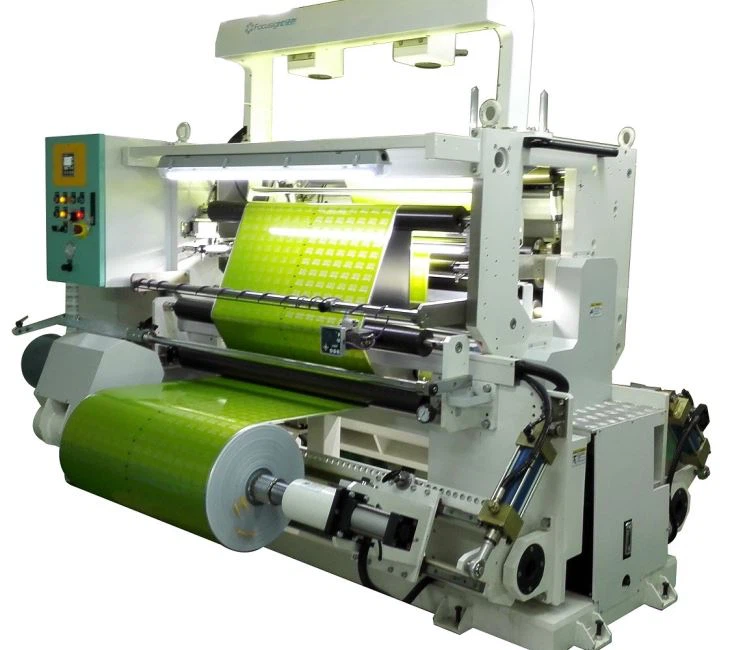

Programmable Logic Controller (PLC)
A PLC is commonly used in modern plastic rewinding machines. It allows operators to program different parameters such as speed, tension, and length. The PLC can also monitor the operation of the machine in real - time and detect any abnormalities.
Human - Machine Interface (HMI)
An HMI provides a user - friendly interface for operators to interact with the control system. Through the HMI, operators can easily set and adjust the operating parameters, view the status of the machine, and receive error messages.
Rewinder for Special Applications
In addition to the general - purpose plastic rewinding machines, we also offer specialized rewinding machines for specific applications. For example, the Rewinder for Tetrapak is designed to handle the unique requirements of Tetrapak packaging materials. And the Inspection Rewinder Machine is equipped with advanced inspection features for high - quality film inspection.
Conclusion
In summary, a plastic rewinding machine consists of several main components, each with its own unique function and importance. The unwinding unit, guide rollers, inspection unit, slitting unit (if applicable), rewinding unit, and control system all work together to ensure a smooth and efficient rewinding process. As a supplier of plastic rewinding machines, we are committed to providing high - quality machines that meet the diverse needs of our customers.
If you are in the market for a plastic rewinding machine or have any questions about our products, please feel free to contact us for a detailed discussion. We are more than happy to assist you in finding the most suitable machine for your specific requirements.
References
- Groover, M. P. (2010). Fundamentals of Modern Manufacturing: Materials, Processes, and Systems. Wiley.
- ASM International. (2008). ASM Handbook Volume 1: Properties and Selection: Irons, Steels, and High - Performance Alloys. ASM International.