

What are the transportation requirements for a Cold Foil Slitter?
Jul 30, 2025
As a supplier of Cold Foil Slitters, I've had my fair share of dealing with the ins and outs of getting these machines from point A to point B. Trust me, transporting a Cold Foil Slitter isn't as simple as just loading it onto a truck and sending it off. There are a whole bunch of transportation requirements that you've got to take into account to make sure the machine arrives in one piece and ready to go.
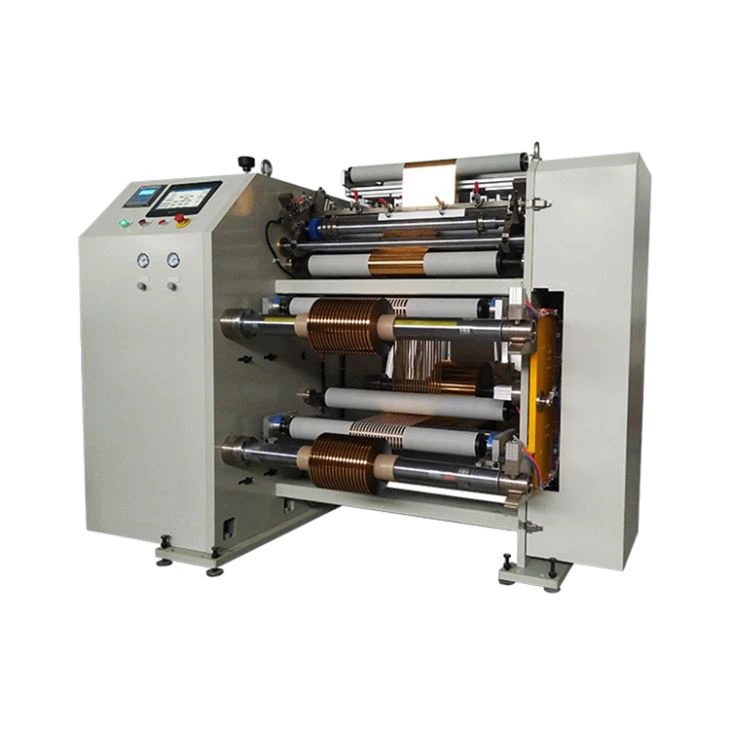
First off, let's talk about the size and weight of these Cold Foil Slitters. These machines aren't exactly small and light. They're usually pretty hefty and take up a good amount of space. That means you need to find a transportation method that can handle the size and weight. You can't just stick it on a regular delivery van. You'll likely need a large truck or even a specialized transport vehicle, depending on how big the slitter is.
The weight is a crucial factor because it affects not only the choice of vehicle but also the safety of the transport. Overloading a vehicle can lead to all sorts of problems, like accidents on the road or damage to the infrastructure. So, you've got to know the exact weight of your Cold Foil Slitter and make sure the transport vehicle has the proper weight capacity.
Another important aspect is the packaging. You can't just send the Cold Foil Slitter out in the open. It needs to be properly packaged to protect it from any potential damage during transit. The packaging should be sturdy enough to withstand the vibrations, shocks, and impacts that can happen while the vehicle is moving. A good packaging material for these machines is often heavy - duty wood crates. They're strong, can be customized to fit the shape of the slitter, and provide a good level of protection.
Inside the crate, you should also use some form of cushioning material. Foam padding or inflatable airbags can work great. They help to absorb any shocks and prevent the machine from shifting around inside the crate. You don't want the slitter to bang against the sides of the crate and get dented or scratched.
When it comes to the actual loading and unloading of the Cold Foil Slitter, you need to have the right equipment. Forklifts are commonly used for this task. But it's not just about having a forklift; the operators need to be trained and experienced. Loading a heavy and bulky Cold Foil Slitter onto a truck requires precision. One wrong move, and you could end up dropping the machine or causing it to tip over, which would be a disaster.
During the transportation process, you also need to consider the route. You've got to plan a route that avoids any obstacles or areas with poor road conditions. For example, if there are low - hanging bridges or narrow roads that the transport vehicle can't pass through, you'll need to find an alternative route. This might take a bit more time, but it's worth it to ensure the safe delivery of the slitter.
Climate control can also be an issue, especially if the Cold Foil Slitter is being transported over long distances or through areas with extreme weather conditions. Some parts of the machine might be sensitive to temperature and humidity. For instance, electronic components can be damaged if they're exposed to high humidity or extreme heat. In such cases, you might need to use a transport vehicle with climate - controlled capabilities.
Documentation is another key part of the transportation requirements. You need to have all the necessary paperwork in order. This includes things like the bill of lading, which is a legal document that details the goods being transported, their quantity, and their destination. You also need to have any export or import documents if the slitter is being shipped internationally. Without the proper documentation, your shipment could get held up at customs or face other legal issues.
Now, let's talk about insurance. You definitely want to have insurance for your Cold Foil Slitter during transport. Accidents can happen, no matter how careful you are. Having insurance gives you peace of mind knowing that if something goes wrong and the machine gets damaged, you'll be compensated. Make sure to choose an insurance policy that covers all the potential risks associated with transporting the slitter, such as theft, damage due to accidents, or natural disasters.
As a Cold Foil Slitter supplier, I understand that these transportation requirements can seem like a hassle. But they're essential for ensuring that our customers receive their machines in perfect condition. And if you're in the market for a Cold Foil Slitter, you can check out some of our related products. We have the Narrow Hot Stamping Foil Slitter, the Hot Foil Slitter Rewinder, and the Aluminum Foil Slitting Machine.
If you're interested in purchasing any of our Cold Foil Slitters or have questions about the transportation process, don't hesitate to reach out. We're here to help you through every step, from choosing the right machine to getting it safely to your location.

References:
- General knowledge about industrial machinery transportation
- Experience in supplying Cold Foil Slitters and handling their transportation