

What is the cutting method of a film slitter rewinder?
Jul 25, 2025
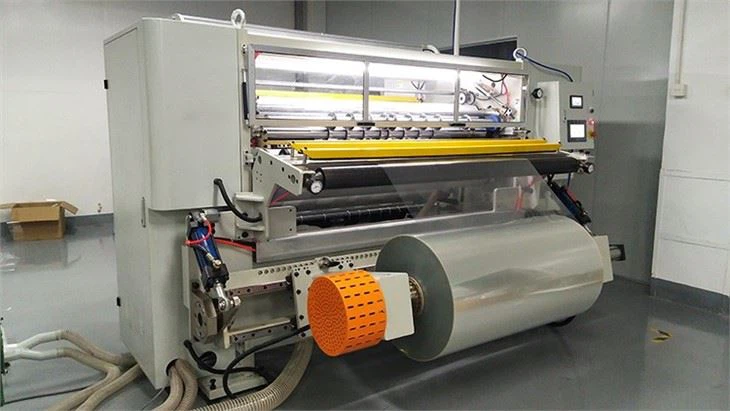
Hey there, folks! I'm a supplier of Film Slitter Rewinders, and today I wanna chat about the cutting methods of these awesome machines. Film slitter rewinders are super important in the packaging and film industries. They take large rolls of film and cut them into smaller, more manageable rolls. So, let's dig into the different cutting methods!
Shear Cutting
Shear cutting is one of the most common methods used in film slitter rewinders. It works kinda like scissors. You've got two blades - an upper and a lower blade. The upper blade presses down on the film, and the lower blade acts as a support. As the film moves through the machine, the blades come together and cut the film cleanly.
The advantage of shear cutting is that it gives a really smooth cut. There's less chance of the film fraying or getting damaged. It's great for thin films, like those used in food packaging. The cut edges are so clean that you don't have to worry about any loose bits getting into the product.
However, shear cutting has its limitations. If you're dealing with really thick films, the blades might wear out faster. You also need to make sure the blades are properly aligned. If they're not, the cut won't be as clean, and you might end up with uneven edges.
Razor Blade Cutting
Razor blade cutting is another popular method. Just like the name suggests, it uses a razor blade to cut the film. The blade is usually mounted on a holder, and it's set at a specific angle to the film. As the film moves, the blade slices through it.
One of the big benefits of razor blade cutting is that it's very precise. You can make really accurate cuts, which is important if you're working on high - end packaging or specialty films. It's also a good option for films that are a bit sticky. The sharp blade can cut through them without getting clogged.
But razor blades are pretty delicate. They can break easily if they hit something hard or if they're not used correctly. You also need to replace them regularly to keep getting a good cut.
Score and Snap Cutting
Score and snap cutting is a bit different. First, the machine makes a shallow cut or "score" on the film. This score is just deep enough to weaken the film at that point. Then, as the film continues to move, it "snaps" along the scored line.
This method is great for films that are brittle or have a tendency to crack. It's also useful when you need to make a lot of cuts quickly. Since you're not cutting all the way through the film at once, it puts less stress on the machine and the film.
However, score and snap cutting might not be suitable for all types of films. Some films are too flexible and won't snap cleanly along the scored line. You also need to be careful with the depth of the score. If it's too shallow, the film won't snap; if it's too deep, you might damage the film.

Laser Cutting
Laser cutting is a high - tech option. It uses a laser beam to cut through the film. The laser heats up the film at the cutting point, vaporizing it and creating a clean cut.
Laser cutting is incredibly precise. You can make very detailed cuts, which is perfect for custom - designed packaging or films with complex patterns. It also doesn't have any physical contact with the film, so there's no risk of scratching or damaging it.
But laser cutting machines are expensive. They also require a lot of energy to operate, and you need to have proper safety measures in place because lasers can be dangerous.
Rotary Die Cutting
Rotary die cutting involves a rotating die that cuts the film. The die has a specific shape, and as it rotates, it presses into the film and cuts it into that shape.
This method is great for making custom - shaped films, like those used in labels or stickers. You can create all sorts of unique designs, and the process is relatively fast.
However, making the dies can be expensive. If you only need a small number of cuts, it might not be cost - effective. And the dies can wear out over time, so you need to replace them periodically.
Now, as a Film Slitter Rewinder supplier, I've seen firsthand how these different cutting methods can impact the quality and efficiency of your production. Whether you're working with thin PET films or thick industrial films, choosing the right cutting method is crucial.
If you're interested in our PET Film Slitter Rewinder, it's designed to handle all these cutting methods with ease. It's a versatile machine that can adapt to different film types and thicknesses.
Our Slitter And Rewinder is another great option. It's built to be reliable and efficient, so you can get the job done quickly and with high - quality results.
And if you're dealing with large rolls, our Jumbo Roll Slitter Rewinder is the way to go. It can handle those big rolls and cut them into smaller, more manageable sizes.
If you're in the market for a film slitter rewinder, or if you have any questions about the cutting methods, don't hesitate to reach out. We're here to help you find the best solution for your business. Whether you're a small - scale producer or a large - scale manufacturer, we've got the right machine for you. Let's start a conversation and see how we can improve your production process together.
References
- Packaging Machinery Handbook: A guide to different types of packaging machines and their operations.
- Film Industry Journal: Articles on the latest trends and technologies in the film manufacturing and packaging industry.
- Machinery Design Magazine: Covers topics related to the design and operation of industrial machinery, including film slitter rewinders.