

When it comes to the manufacturing and processing of labelstock materials, a Labelstock Slitting Machine plays a pivotal role. As a reputable supplier of Labelstock Slitting Machine, I am often asked about various aspects of these machines, and one question that frequently arises is, "What is the weight of a Labelstock Slitting Machine?" In this blog post, I will delve into this topic, exploring the factors that influence the weight of these machines and why it matters in the context of labelstock production.
Understanding Labelstock Slitting Machines
Before we dive into the weight of Labelstock Slitting Machines, it's essential to have a clear understanding of what these machines are and what they do. A Labelstock Slitting Machine is a specialized piece of equipment designed to cut large rolls of labelstock materials, such as paper, film, or foil, into narrower rolls of the desired width. This process is crucial in the label manufacturing industry, as it allows for the production of labels in various sizes and formats to meet the diverse needs of customers.
Labelstock Slitting Machines come in different types and configurations, each tailored to specific production requirements. Some machines are designed for high-speed production, while others are more suitable for small-scale or specialty applications. The choice of machine depends on factors such as the type of labelstock material, the desired width and length of the finished rolls, and the production volume.
Factors Influencing the Weight of a Labelstock Slitting Machine
The weight of a Labelstock Slitting Machine can vary significantly depending on several factors. Here are some of the key factors that influence the weight of these machines:
Machine Size and Dimensions
One of the most significant factors affecting the weight of a Labelstock Slitting Machine is its size and dimensions. Larger machines with a greater working width and longer processing length generally weigh more than smaller machines. This is because larger machines require more robust frames, heavier-duty components, and additional support structures to ensure stability and precision during operation.
For example, a large-scale industrial Labelstock Slitting Machine with a working width of 2000 mm or more may weigh several tons, while a smaller tabletop or benchtop machine designed for small-scale production may weigh only a few hundred kilograms.
Construction Materials
The materials used in the construction of a Labelstock Slitting Machine also play a crucial role in determining its weight. Machines made from high-quality, heavy-duty materials such as steel or cast iron tend to be heavier than those made from lighter materials such as aluminum or plastic.
Steel and cast iron are commonly used in the construction of the frame, shafts, and other critical components of Labelstock Slitting Machines due to their strength, durability, and resistance to wear and tear. These materials provide the necessary stability and rigidity to ensure accurate cutting and winding of labelstock materials.
On the other hand, aluminum and plastic are sometimes used in the construction of non-critical components or in machines designed for lighter-duty applications. These materials are lighter in weight, which can make the machine more portable and easier to handle.
Component Complexity
The complexity of the components and features of a Labelstock Slitting Machine can also affect its weight. Machines with more advanced features and functions, such as automatic tension control, servo-driven motors, and computerized control systems, tend to be heavier than basic machines with fewer features.
Advanced components and features require additional hardware, wiring, and control systems, which add to the overall weight of the machine. For example, a machine with a fully automated slitting and rewinding system may weigh more than a manual machine due to the presence of motors, sensors, and control panels.
Cutting and Winding Mechanisms
The type of cutting and winding mechanisms used in a Labelstock Slitting Machine can also influence its weight. Different cutting methods, such as shear cutting, razor cutting, or rotary cutting, require different types of cutting tools and mechanisms, which can vary in weight.
Similarly, the winding mechanism used to wind the slit labelstock materials onto the finished rolls can also affect the weight of the machine. Machines with more advanced winding systems, such as center winding or surface winding, may require additional components and motors, which add to the overall weight.
Why Does the Weight of a Labelstock Slitting Machine Matter?
The weight of a Labelstock Slitting Machine is an important consideration for several reasons. Here are some of the key reasons why the weight of these machines matters:
Stability and Precision
A heavier Labelstock Slitting Machine generally provides better stability and precision during operation. The weight of the machine helps to reduce vibrations and ensure that the cutting and winding processes are carried out accurately and consistently. This is particularly important in high-speed production environments, where even small vibrations can affect the quality of the finished labels.
For example, a heavy-duty industrial Labelstock Slitting Machine with a solid frame and robust components is less likely to vibrate or move during operation, resulting in cleaner cuts and more uniform winding of the labelstock materials.
Transportation and Installation
The weight of a Labelstock Slitting Machine can also have implications for transportation and installation. Heavier machines may require specialized equipment and handling procedures for transportation, such as cranes or forklifts. They may also require a more substantial foundation or support structure for installation to ensure stability and safety.
On the other hand, lighter machines are generally easier to transport and install, which can reduce the overall cost and time required for setup. This makes them a more attractive option for small-scale or mobile production operations.
Energy Consumption
The weight of a Labelstock Slitting Machine can also affect its energy consumption. Heavier machines typically require more power to operate, as they need to overcome the inertia of the moving components and maintain stability during operation. This can result in higher energy costs over the long term.
Lighter machines, on the other hand, generally require less power to operate, which can lead to lower energy consumption and cost savings. This is an important consideration for manufacturers looking to reduce their environmental impact and operating costs.
Types of Labelstock Slitting Machines and Their Weights
As mentioned earlier, Labelstock Slitting Machines come in different types and configurations, each with its own weight range. Here are some of the common types of Labelstock Slitting Machines and their typical weights:
Labelstock Paper Slitter Rewinder
A Labelstock Paper Slitter Rewinder is designed specifically for slitting and rewinding paper labelstock materials. These machines are typically smaller and lighter than industrial machines designed for other types of labelstock materials, such as film or foil.
A small to medium-sized Labelstock Paper Slitter Rewinder may weigh between 200 and 500 kilograms, while a larger industrial machine may weigh up to several tons.
Narrow Web Slitter Rewinder
A Narrow Web Slitter Rewinder is used for slitting and rewinding narrow-width labelstock materials, typically up to 600 mm in width. These machines are commonly used in the production of small labels, such as barcode labels, sticker labels, and pharmaceutical labels.
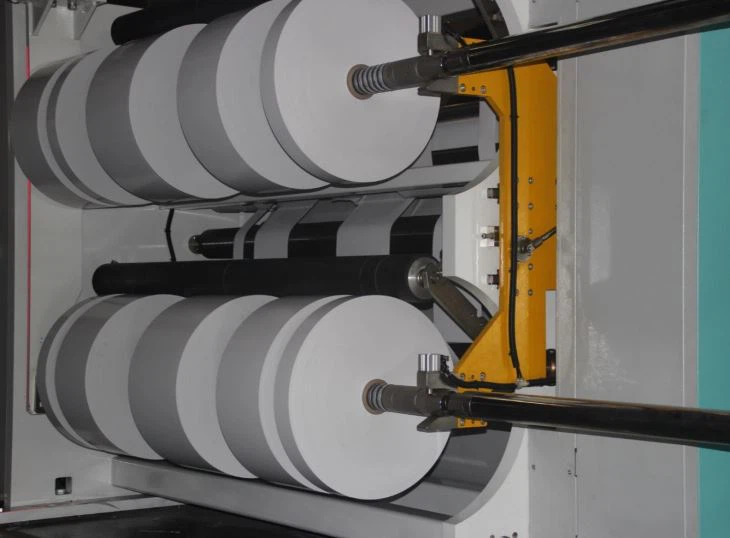

A Narrow Web Slitter Rewinder may weigh between 500 and 2000 kilograms, depending on its size, configuration, and features.
Industrial Labelstock Slitting Machine
An Industrial Labelstock Slitting Machine is a large-scale machine designed for high-speed production of labelstock materials in various sizes and formats. These machines are typically used in large manufacturing facilities and can handle a wide range of labelstock materials, including paper, film, foil, and laminate.
An Industrial Labelstock Slitting Machine can weigh anywhere from several tons to over 10 tons, depending on its size, complexity, and the materials used in its construction.
Conclusion
In conclusion, the weight of a Labelstock Slitting Machine is influenced by several factors, including its size, construction materials, component complexity, and cutting and winding mechanisms. The weight of these machines is an important consideration for manufacturers, as it can affect stability, precision, transportation, installation, and energy consumption.
As a supplier of Labelstock Slitting Machine, I understand the importance of providing our customers with machines that meet their specific production requirements. We offer a wide range of Labelstock Slitting Machines in different sizes, configurations, and weights to suit the diverse needs of our customers.
If you are in the market for a Labelstock Slitting Machine, I encourage you to contact us to discuss your requirements. Our team of experts will be happy to assist you in selecting the right machine for your production needs and provide you with a detailed quote.
References
- Labelstock manufacturing industry reports
- Technical specifications of Labelstock Slitting Machines from leading manufacturers