

Hey there! As a supplier of Plastic Rewinding Machines, I often get asked about the weight of these nifty pieces of equipment. And let me tell you, it's not a one-size-fits-all answer. There are a bunch of factors that can influence the weight of a plastic rewinding machine, and I'm gonna break it down for you in this blog.
First off, let's talk about why the weight of a plastic rewinding machine matters. For starters, if you're planning to move the machine around, either within your factory or to a different location, you gotta know how heavy it is. You need to make sure you have the right equipment to lift and transport it safely. Also, the weight can give you an idea about the machine's sturdiness and durability. Generally, a heavier machine is likely to be more robust and less prone to shaking or vibrating during operation, which can lead to better quality rewinding.
So, what exactly affects the weight of a plastic rewinding machine? Well, one of the biggest factors is the size of the machine. Larger machines are usually heavier because they have more components and a bigger frame to support them. For example, a small tabletop plastic rewinding machine that's designed for light-duty tasks might weigh only around 50 - 100 kilograms. These are great for small-scale operations or for testing purposes in a lab.
On the other hand, industrial-grade plastic rewinding machines, which are used in large factories for high-volume production, can be significantly heavier. Some of these big boys can weigh anywhere from 500 kilograms to several tons. The reason for this is that they are built to handle large rolls of plastic film, and they need a substantial frame and heavy-duty components to operate smoothly and efficiently.
Another factor that can affect the weight is the materials used in the construction of the machine. Machines made from high-quality, heavy-duty metals like steel are going to be heavier than those made from lighter materials like aluminum or plastic composites. Steel is a popular choice for industrial rewinding machines because it's strong and durable, but it also adds a lot of weight. Aluminum, on the other hand, is lighter and more corrosion-resistant, but it might not be as strong as steel for certain applications.
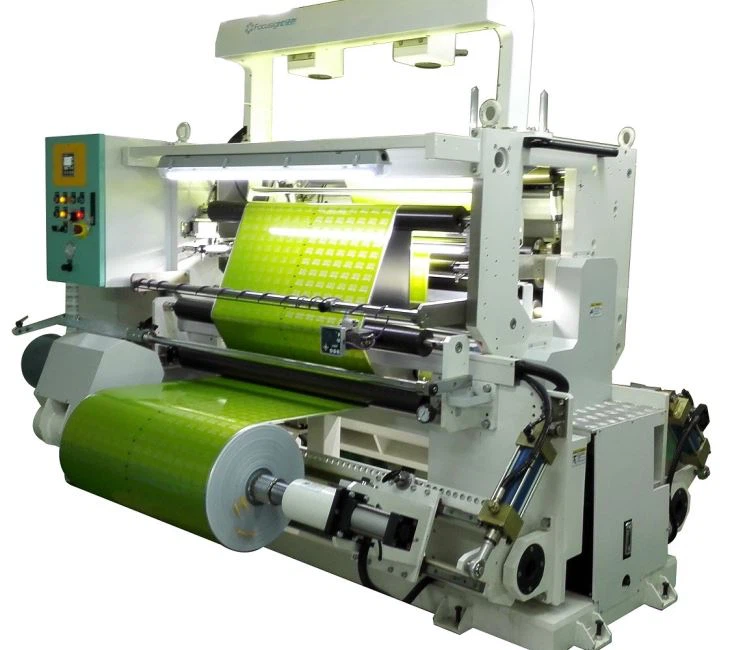
The type of features and functions the machine has can also play a role in its weight. For instance, a machine with a built-in inspection system, like a Rewinder for Printed Film Inspection, is going to be heavier than a basic rewinding machine without this feature. An inspection system usually includes sensors, cameras, and other components that add to the overall weight of the machine.
Similarly, a more advanced Inspection Rewinder Machine with features like automatic tension control, edge guiding, and variable speed settings is likely to be heavier than a simple, manual machine. These additional features require more components and wiring, which all contribute to the weight.
Let's take a look at some specific examples to give you a better idea of the weight range. A small, semi-automatic plastic rewinding machine that's suitable for small businesses or workshops might weigh around 150 - 300 kilograms. This type of machine is typically used for rewinding small to medium-sized rolls of plastic film and is relatively easy to move around.
A medium-sized industrial rewinding machine, which can handle larger rolls and has more advanced features, might weigh between 300 - 800 kilograms. These machines are commonly used in medium-sized factories for mass production of plastic products.
For large-scale industrial operations, you'll find heavy-duty plastic rewinding machines that can weigh over a ton. These machines are designed to handle extremely large rolls of plastic film and are often equipped with the latest technology and features for maximum efficiency and productivity. For example, a Rewinder for Tetrapak that's used in the food packaging industry to rewind large Tetrapak-type rolls of plastic might weigh several tons due to its large size and complex operations.
Now, if you're in the market for a plastic rewinding machine, it's important to consider the weight along with other factors like the machine's capacity, speed, and features. You need to make sure the machine you choose is suitable for your specific needs and that you have the right infrastructure in place to handle it.
If you're not sure which machine is right for you or if you have any questions about the weight or other aspects of our plastic rewinding machines, don't hesitate to reach out to us. We're here to help you find the perfect machine for your business and can provide you with all the information you need. Whether you're a small business owner looking for a compact machine or a large industrial manufacturer in need of a heavy-duty solution, we've got you covered.

So, if you're ready to take your plastic rewinding process to the next level, contact us today to start the conversation. We're happy to discuss your requirements, provide you with a quote, and answer any questions you might have. Let's work together to find the best plastic rewinding machine for your business!
References:
- Industry knowledge and experience as a plastic rewinding machine supplier.
- Technical specifications of various plastic rewinding machines.